Amie D. Brooks, Pharm.D., FCCP, BCACP, CAE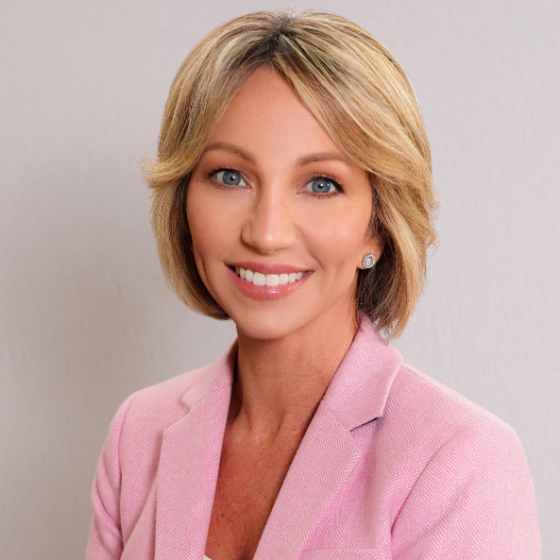 Amie D. Brooks, Pharm.D., FCCP, BCACP, CAE is the Senior Director of Strategic Initiatives for the American College of Clinical Pharmacy (ACCP). In this role, she is responsible for developing, communicating, and executing ACCP strategic plan initiatives focused on developing, advancing, and positioning clinical pharmacists to contribute to patient care. Prior to joining ACCP staff in 2019, Dr. Brooks was a long-time member, practicing in ambulatory care clinical pharmacy and serving as a faculty member and academic administrator. In 2021 Dr. Brooks earned a certificate in Diversity, Equity, and Inclusion in the Workplace through the University of South Florida. She is board certified in ambulatory care pharmacy and is a fellow of ACCP. |
Jon Easter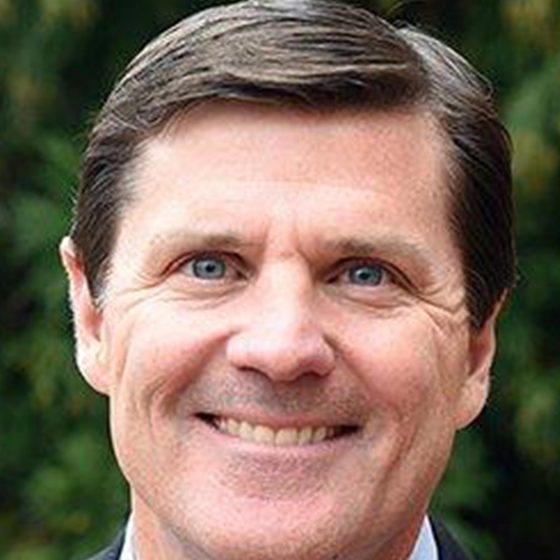
Jon Easter joined the UNC Eshelman School of Pharmacy in 2016 as a Professor of the Practice and Director of the Center for Medication Optimization. Currently, Jon directs the U.S. Healthcare and Health Policy and Managed Care courses and leads practice advancement activities at the School. He also serves as an Associate Faculty Director at the UNC Center for the Business of Health. Jon previously spent 19 years at GlaxoSmithKline (GSK), where he led a health policy team focused on quality measurement and medication management policy development. Jon has a B.S. in Pharmacy from the University of Georgia and is a registered pharmacist. |
Jasmine D. Gonzalvo, Pharm.D., FADCES, BC-ADM, CDCES JASMINE D. GONZALVO, PharmD, BC-ADM, CDCES is the Chris and Theresa Dimos Director of the Center for Health Equity and Innovation and a Clinical Professor in the College of Pharmacy at Purdue University. She is currently pursuing her Masters in Public Health degree from the Harvard T.H. Chan School of Public Health with expected graduation date of May 2025. She provides cardiovascular risk reduction medication management services for diabetes, hypertension, dyslipidemia, and tobacco use disorders at Eskenazi Health Pecar Health Center for a largely Latino/Hispanic population in a Federally Qualified Health Center. She is the current President of the Indiana Community Health Workers Association. She has served on and chaired national Boards for diabetes organizations. She is currently on the Board of Directors of the Diabetes Leadership Council. She is active in advocacy efforts at the State and Federal levels, most recently having served on the National Clinical Care Commission charged with making recommendations to improve diabetes across federal programs. Her research interests relate to community health workers, cardiovascular risk reduction in disinvested populations, integration of the Spanish language into practice and academic settings, and diabetes self-management education and support in the pharmacy setting. She has received a variety of awards highlighting her excellence in practice and teaching throughout her career. |
James D. Hoehns, Pharm.D., FCCP, BCPS Dr. Hoehns is a Clinical Professor at the University of Iowa College of Pharmacy. His practice site is Cedar Valley Primary Care in Waterloo, Iowa. He is the Research Director at Cedar Valley Clinical Research and has been a site investigator in over 90 clinical drug trials. Dr. Hoehns was Program Director for a PGY1 residency program for 22 years.
|
Jonathan C. Hughes, Pharm.D., BCACP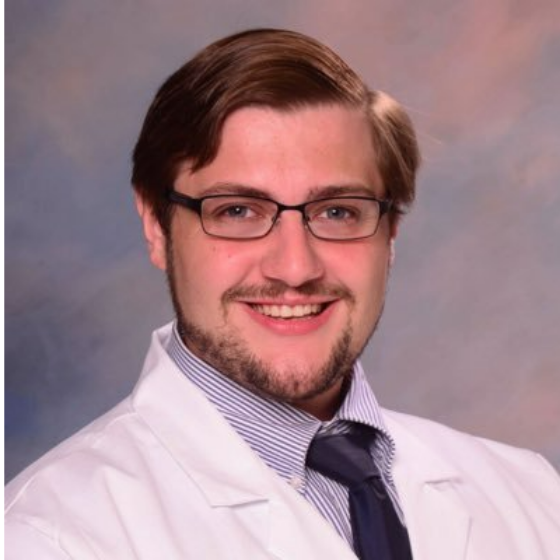 Jonathan Hughes serves as the Ambulatory Care Pharmacy Manager for Ascension Saint Thomas Medical Partners, where he leads a team of ten ambulatory care pharmacists and five clinic-based pharmacy technicians supporting twenty primary care, cardiology, and neurology clinics. He earned his Doctor of Pharmacy from the University of Kentucky and completed both his PGY-1 Pharmacy Practice Residency and PGY-2 Ambulatory Care Residency at the VA Tennessee Valley Healthcare System in Nashville and Murfreesboro, TN. In addition to his leadership role, Jonathan maintains an active clinical practice in primary care and serves as the Residency Program Director for the Ascension Saint Thomas PGY-2 Ambulatory Care Residency. He is actively involved with the ACCP Ambulatory Care Practice and Research Network (PRN) and the Tennessee Pharmacists Association. He is passionate about developing sustainable pharmacist care models and advocates for payment parity and reimbursement policies that remove barriers to patient access. |
Cynthia A. King, Pharm.D., BCACP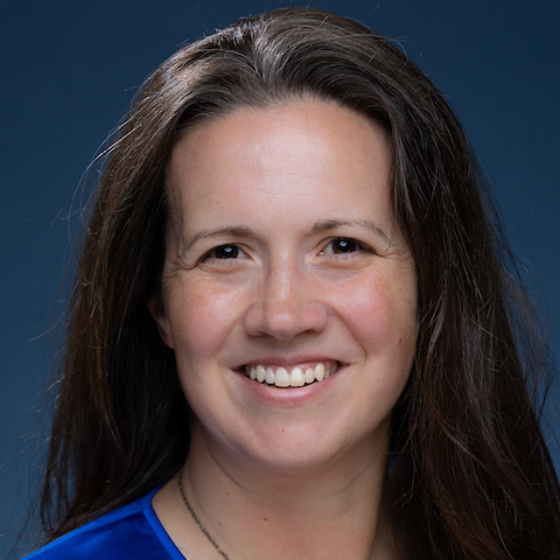
Dr. Cindy King is an Ambulatory Care Pharmacy Specialist at MetroHealth System and Associate Professor at Northeast Ohio Medical University (NEOMED) College of Pharmacy. She graduated from Ohio Northern University and completed her PGY1 residency at St. Rita’s Medical Center in Lima, Ohio and her PGY2 Ambulatory Care Residency at the Louis Stokes Cleveland Department of Veterans Affairs Medical Center in Cleveland, OH. Currently, Dr King is in a shared faculty role and practices in internal and family medicine specializing in the treatment and management of chronic diseases. She serves as the residency program director for MetroHealth's PGY2 Ambulatory Care residency and previously served as RPD of their PGY1 program for six years. Dr. King has focused her research in ambulatory care and women’s health. Recently, Dr. King has been recognized for efforts in interprofessional education through NEOMED’s College of Pharmacy Faculty Excellence in Role Modeling of IPE Collaboration Award and NEOMED’s College of Pharmacy Interprofessional Practice Award. |
Briana P. Murray, Pharm.D., BCACP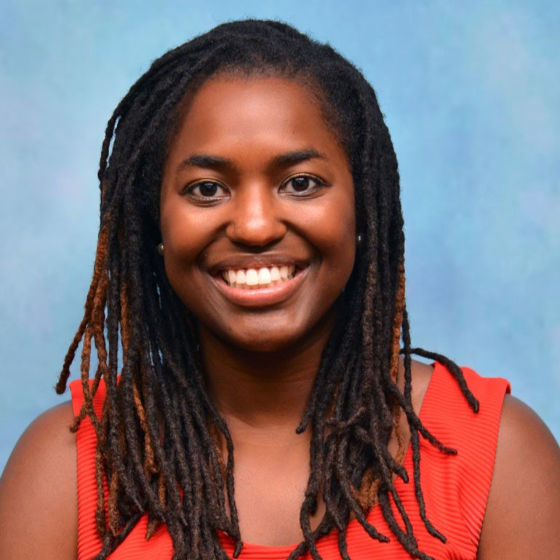 Dr. Briana (Bri) P. Murray received her Bachelor of Science’s degree in Biochemistry from Clemson University in 2012 and her Doctor of Pharmacy degree at the South Carolina College of Pharmacy in Columbia, SC in 2016. Upon graduation, she moved to Indianapolis, IN to complete a PGY1 Community Pharmacy Residency at Dr. Aziz Pharmacy/Purdue University College of Pharmacy. Following her PGY1, Dr. Murray accepted a staff pharmacist position at an innovative Walgreens Pharmacy that offered compounding, delivery, and specialized services to a local federally qualified health center (FQHC). After working in the community for 3 years, she decided to further her training by completing a PGY2 in Ambulatory Care Pharmacy with Community Care Physicians, P.C./Albany College of Pharmacy and Health Sciences. Using her newly gained skills, she moved to Baltimore, MD to be a clinical pharmacist for Correct Rx Pharmacy Services, Inc, where she was responsible for clinical and administrative duties for 4 correctional facilities in central Maryland. To continue her passion of helping the underserved population, Dr. Murray was hired in January 2023 to expand a diabetes management clinic with a local FQHC, Chase Brexton Health Care and after doing it for almost 3 years she accepted a position to re-start their psychiatry clinic to gain more hands-on experience in one of her passions. |
Jennifer Rosselli, II, Pharm.D., BCACP, BC-ADM, CDCES Jennifer Rosselli is a Clinical Professor at the Southern Illinois University Edwardsville School of Pharmacy. She completed both her Doctor of Pharmacy and Bachelor of Science in Pharmacy degrees from UHSP St. Louis College of Pharmacy, and completed a pharmacy practice residency at HSHS St. Elizabeth's Hospital. Since 2009, she has collaborated with Family Medicine practitioners at SIHF Healthcare, a Federally Qualified Health Center, to enhance chronic disease management. Her work focuses on optimizing glucose-lowering therapies, utilizing diabetes technology, and implementing strategies to reduce the risks associated with cardiovascular-kidney-metabolic syndrome. Her service, teaching, and research interests encompass diabetes care and support for adults, increasing access to health technology in historically underserved communities, and leveraging pharmacists’ expertise to address health disparities and improve therapeutic outcomes. |
Andrew N. Schmelz, Pharm.D., BCACP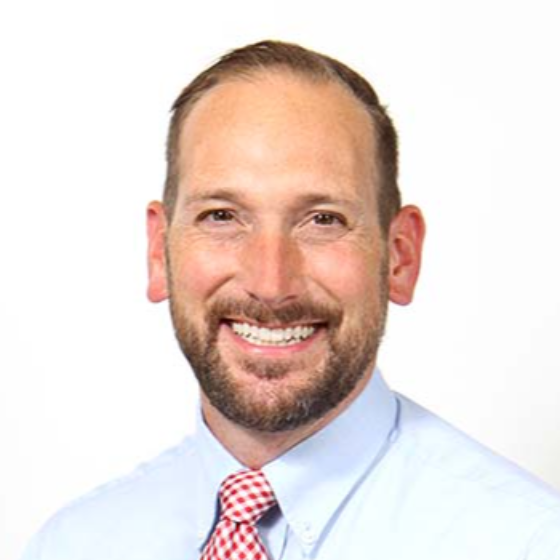
Dr. Andy Schmelz graduated from Purdue University with a Doctor of Pharmacy degree in 2008 and stayed to complete a post-doctoral fellowship in academia and ambulatory care. He practiced as a staff pharmacist with Walgreen Co., and after becoming a board-certified ambulatory care pharmacist, he worked as an ambulatory care pharmacist with Indiana University Health and Community Health Network. He is currently an Assistant Professor of Pharmacy Practice with the Butler University College of Pharmacy and Health Sciences and practices at Eskenazi Health with vulnerable populations on the west side of Indianapolis. In addition to his passion for teaching topics related to diversity, equity, and inclusion, Dr. Schmelz has served in a number of roles related to ambulatory care practice management and new service development, as well as data management and outcomes reporting. In addition to co-authoring multiple research articles in these area, he also teaches in Butler University’s Masters in Data Analytics program.
|
Christine A. Schumacher, Pharm.D., FCCP, BCACP, BCCP, BCPS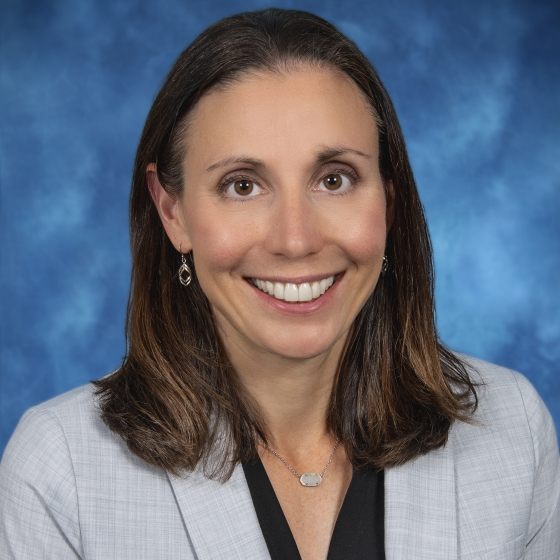 Christie Schumacher is a Professor of Pharmacy Practice and Director of the PGY2 Ambulatory Care Residency Program at Midwestern University College of Pharmacy, Downers Grove Campus, and a Clinical Pharmacist at Northwestern Medicine in Chicago, Illinois. She currently works in a primary care clinic to provide comprehensive medication management for a variety of internal medicine disease states, including but not limited to, heart failure, diabetes, hypertension, hyperlipidemia, chronic kidney disease, and primary and secondary prevention of atherosclerotic cardiovascular disease. After receiving her Bachelor of Science in Biochemistry and Doctor of Pharmacy degrees from the University of Michigan, Dr. Schumacher completed a PGY1 pharmacy practice residency at Midwestern University College of Pharmacy. She was awarded the 2024 Association of Diabetes Care and Education Specialists (ADCES) Diabetes Care and Education Specialist of the Year Award, and in 2020, was awarded the ADCES Diabetes Care and Education Specialist of the Year for Illinois. She is a past Chair of the Board of Pharmacy Specialties Specialty Council on Ambulatory Care Pharmacy, is a past Chair of the American College of Clinical Pharmacy (ACCP) Endocrine and Metabolism Practice Research Network (PRN) and the ACCP Ambulatory Care PRN. She is currently researching sodium-glucose co-transporter-2 inhibitors and adverse event identification and mitigation, continuous glucose monitoring in primary care, and clinical outcomes related to the management of patients with diabetes and heart failure. |
Megan Smith, Pharm.D., BCACP Dr. Megan Smith is an Associate Professor and Director of the PGY1 Community-Based Residency Program at the University of Arkansas for Medical Sciences. After receiving her Doctor of Pharmacy degree in 2013 from University of North Carolina Eshelman School of Pharmacy, she stayed on to complete PGY1 Community Pharmacy residency and two-year post-doctoral fellowship in academia and community pharmacy practice. Dr. Smith has focused her research and service to advancing community pharmacy practice. She currently serves on the Task Force of Academia-Community Pharmacy Practice Transformation Collaborative and founding member of Arkansas Community Pharmacy Enhanced Services Network where she continues to serve as Academic Network Facilitator. Recently, Dr. Smith has been recognized for her efforts in practice transformation through Arkansas Pharmacists Association Excellence in Innovation Award and NCPA’s Preceptor of the Year in 2022. |
Todd D. Sorensen, Pharm.D., FCCP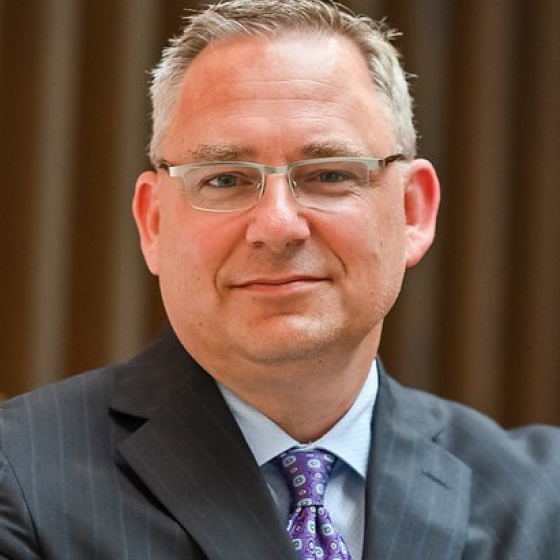 Dr. Sorensen is Professor, University of Minnesota and Executive Director for the Alliance for Integrated Medication Management. His work concentrates on identifying strategies that facilitate clinical practice development and developing change management and leadership skills in student pharmacists, pharmacy residents and practitioners. For over 20 years, his scholarly activities have focused on building collaborations with health care organizations to implement clinical strategies delivered by pharmacists that improve health outcomes. This work is grounded in diffusion of innovation theory, principles of quality improvement, and the discipline of implementation science. |
Ryan J. Wargo, Pharm.D., BCACP Ryan Wargo, PharmD, BCACP is the manager of ambulatory pharmacy services at Legacy Health in Portland, Oregon. In his current role, he oversees pharmacist-led services that integrate clinical, operational, and financial strategies to improve outcomes in primary care and population health.
He is a passionate advocate for advancing sustainable, pharmacist-led care models that improve patient outcomes while demonstrating the economic value of pharmacist services. He has served on state- and national-level committees focused on advocacy for the profession of pharmacy and has contributed to key publications on pharmacist payment parity and collaborative care models. Additionally, on multiple occasions he has presented on value-based contracting, billing strategies, and quality improvement in ambulatory settings.
|
Sarah M. Westberg, Pharm.D., FCCP, BCPS Dr. Westberg is the Dean of the Anderson Family College of Health Sciences at Bethel University in St. Paul. MN. Prior to this role, she served as Associate Dean for Professional Affairs and Professor in the Pharmaceutical Care and Health Systems department at the University of Minnesota. She graduated with her Pharm.D. from Drake University in 2001. She then completed a 2 year Pharmaceutical Care Leadership Residency at the University of Minnesota, after which she joined the University of Minnesota College of Pharmacy faculty. Dr. Westberg spent over 20 years providing CMM services, with over a decade focused on women's health. Her areas of interest are in developing and maintaining CMM practices, women’s health, and teaching students to provide optimal care to patients in an interprofessional environment. |
Bradly Winter, Pharm.D., BCACP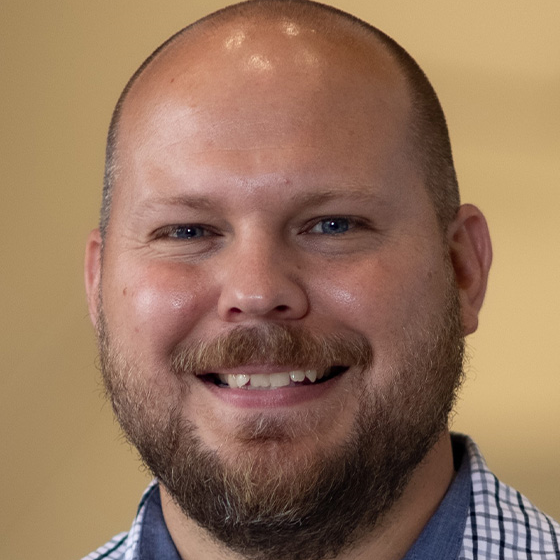 Brad Winter is as a Clinical Pharmacist, board certified in Ambulatory Care. He currently works as the manager of Intermountain Healthcare’s Ambulatory Care Pharmacy Team in Primary Care throughout the state of Utah. He received his Doctor of Pharmacy degree from the University of Utah, then completed a general residency with Samaritan Health Services in Corvallis, OR, then a specialized residency in Ambulatory and Primary Care with Intermountain Healthcare in Salt Lake City, Utah. He stayed with Intermountain Healthcare to start clinical pharmacist services in the Intermountain Layton Clinic where he managed chronic diseases such as diabetes and hypertension and worked with the Layton Chronic Pain Clinic. While at Layton Clinic, Brad precepted pharmacy students, PGY1, and PGY2 residents and is also adjunct faculty at the University of Utah College of Pharmacy. Outside of work Brad enjoys the outdoors, home projects, and spending time with family. |