Saturday, October 18, 2025 from 10:15 a.m. to 11:45 a.m. CDT at Regency Room, 2nd Floor
This session is being recorded.
Learn MoreAvailable for 1.50 hours of CPE creditActivity Number: 0217-0000-25-111-L01-PActivity Type: An Application-Based ActivityAs the worldwide incidence of obesity and subsequent metabolic comorbid diseases increase, so too has the incidence of metabolic-associated steatotic liver disease (MASLD) and metabolic-associated steatohepatitis (MASH). MASH affects over 60 million Americans and is the most rapidly increasing indication for liver transplant in patients without hepatocellular carcinoma (HCC). Despite its increasing prevalence, MASH is still underrecognized in clinical practice. In June of 2023, the American Association for the Study of Liver Diseases (AASLD), on behalf of the pan-national consensus panel, announced a new nomenclature for non-alcoholic fatty liver disease (NAFLD) to destigmatize the name and diagnosis of the disease. The members of the consensus panel identified the term steatotic liver disease (SLD) as an overarching term to encompass the various etiologies of steatosis. Metabolic dysfunction-associated steatotic liver disease (MASLD) was the name chosen to replace NAFLD. Updated clinical guidance places an emphasis on non-invasive risk stratification and diagnostic tests, as well as therapeutic treatment options, and several drugs have been approved for the treatment of MASH-associated comorbidities which may also have potential benefit in MASLD. This case-based session will highlight the role of the pharmacist in increasing access to care for patients with MASLD/MASH through understanding of the destigmatizing nomenclature, importance of early referral for diagnostic testing, and utilizing updated treatment guidelines to select the optimal therapeutic regimen for this patient population.
Learning Objectives1. Investigate the rationale behind the new nomenclature and definition of metabolic-associated steatotic liver disease (MASLD) and metabolic-associated steatohepatitis (MASH).
2. Examine the most current practice guidance for the management of MASLD/MASH.
3. Illustrate the role of the pharmacist in improving access to care for patients with MASLD/MASH.
4. Differentiate the non-invasive tests and biomarkers for diagnosis and long-term disease state monitoring in patients with MASLD/MASH.
5. Identify the role of glucagon-like peptide-1 (GLP-1) receptor agonists (RAs), glucose-dependent insulinotropic polypeptide (GIP)/GLP-1 RAs, and other newer pharmacologic agents for the treatment of MASLD/MASH.
 | | Moderator: | Nicole R. Alvey, Pharm.D., FAST, BCPS, BCTXP | | Associate Professor of Clinical Sciences
Roosevelt University College of Science, Health, and Pharmacy
Schaumburg, IL
Clinical Pharmacy Specialist, Transplant
Rush University Medical Center
Chicago, IL | | View Biography |
|
Unraveling the Terminological Transformation of NAFLD and NASH 10:15 a.m. to 10:45 a.m. | | Speaker: | Julie M. Sease, Pharm.D., FCCP, BCPS, CDCES | | Senior Associate Dean and Clinical Professor, University of South Carolina College of Pharmacy | | View Biography |
|
|
Beyond the Biopsy: Non-Invasive Approaches to Diagnosis and Long-Term Disease State Monitoring 10:45 a.m. to 11:15 a.m. | | Speaker: | Kerri Kraft, Pharm.D., BCPS | | Specialist, Clinical Pharmacist
Gastroenterology/Hepatology
Denver Health Medical Center
Denver, CO | | View Biography |
|
|
The Changing Landscape of MASLD/MASH Treatment: Insights from the AASLD Guidance Update 11:15 a.m. to 11:45 a.m.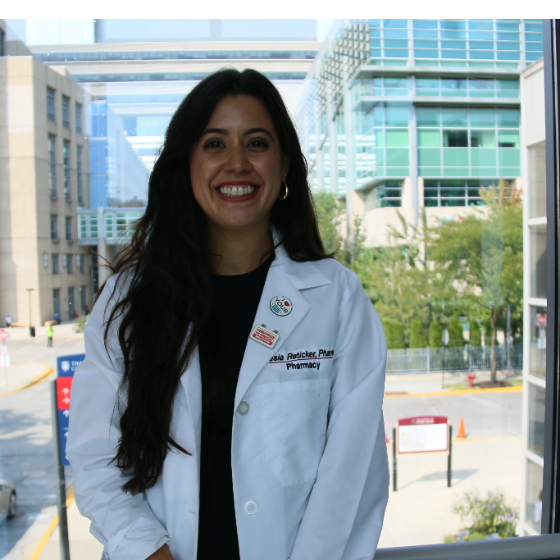 | | Speaker: | Anesia D. Reticker, Pharm.D., BCTXP | | Clincial Pharmacist Specialist
The University of Chicago Medical Center
Chicago, IL | | View Biography |
|
|