Monday, October 20, 2025 from 3:30 p.m. to 5:00 p.m. CDT at Greenway FGHIJ, 2nd Floor
This session is being recorded.
Learn MoreAvailable for 1.50 hours of CPE creditActivity Number: 0217-9999-25-154-L01-PActivity Type: An Application-Based ActivityPharmacists are increasingly playing a vital role in managing gynecology-related conditions. More than half of U.S. states allow pharmacists to prescribe contraception. Recent updated guidance from the Centers for Disease Control and Prevention highlights the significance of person-centered contraceptive care and emphasizes the need to focus on specific chronic conditions. With the arrival of an over-the-counter progestin-only pill, pharmacists can further engage with individuals regarding their contraceptive choices. Pharmacists can use their education, experience, and training to expand access not only to contraception but to other gynecology-related conditions. Approximately 10% of individuals experience endometriosis, and nearly 20% of individuals are impacted by fertility issues. Medications may be part of the treatment plan for both conditions. Many individuals who experience endometriosis and or infertility concerns note that they feel dismissed, or their concerns are minimized. Disparities in care are observed among those who are disproportionally impacted by health inequities. With an expected shortage of 5,000 obstetrician-gynecologists by 2030, there is an urgent demand for health care professionals to work as a team to manage gynecological conditions.
Pharmacists can serve a vital role on the health care team through education and management of contraception, endometriosis, and infertility. Awareness of other treatment modalities and methods to support individuals with these conditions can increase access to care. In addition to medications, pharmacists can assist with laboratory monitoring and home fertility trackers and monitors. For example, pharmacists can recommend and assist in interpreting newer fertility assessments such as Pregmune, SpermQT, Receptiva, EMMA, and ALICE. There is also emerging evidence surrounding testing for endometriosis. This session will provide an overview of recent updates in contraception, endometriosis, and fertility care. Attendees will engage in case-based learning to apply their knowledge in these areas and determine the role of the ambulatory care pharmacist in gynecology care. Additionally, recent laws and regulations impacting the delivery of reproductive health care in the United States will be discussed.
The session’s goal is to enhance pharmacists' understanding of updated contraceptive guidance and delivery methods. It will cover the pathophysiology, diagnosis, and management of endometriosis, highlighting recent advancements in treatment options. For infertility, the session will review causes, diagnosis, and treatment, focusing on evidence-based practices and emerging therapies. Ethical and legal considerations in prescribing contraception and managing gynecology-related conditions will also be discussed, ensuring pharmacists adhere to best practices and regulatory requirements.
Ultimately, this session aims to empower pharmacists to play a more active role in gynecology care, improving patient outcomes and expanding access to essential reproductive health services.
This activity is approved for Board Certified Ambulatory Care Pharmacist (BCACP) recertification credit.
The BCACP Clinical Sessions are part of the professional development program for the recertification of board-certified Ambulatory Care by the Board of Pharmacy Specialties and jointly provided by ACCP and the American Society of Health-System Pharmacists (ASHP). In order to earn the BCACP recertification credit, participants must attend the session, claim the continuing pharmacy education credit, and pass the associated posttest. Access to the Clinical Sessions posttests will be available on December 17, 2025, at www.accp.com/myaccount to anyone who has purchased access to the BCACP posttests. For participants who have not purchased access to the posttests, access can be purchased until 1:00 p.m. on Tuesday, October 21, at the ACCP Registration Desk. The deadline to submit posttests for these sessions will be December 15, 2026.
Learning Objectives1. Identify recent updates to contraception guidance from the Centers for Disease Control and Prevention and emerging contraceptive options.
2. Evaluate diagnostic and treatment options for endometriosis through a health equity lens.
3. Apply evidence-based practices to support individuals experiencing infertility.
4. Formulate a person-centered treatment plan for contraception, endometriosis, and infertility.
5. Summarize recent laws and regulations related to reproductive health care and their potential impact.
 | | Speaker: | Veronica Vernon, Pharm.D., BCACP, BCPS | | Associate Professor and Chair of Pharmacy Practice
Butler University College of Pharmacy and Health Sciences
Indianapolis, IN | | View Biography |
|
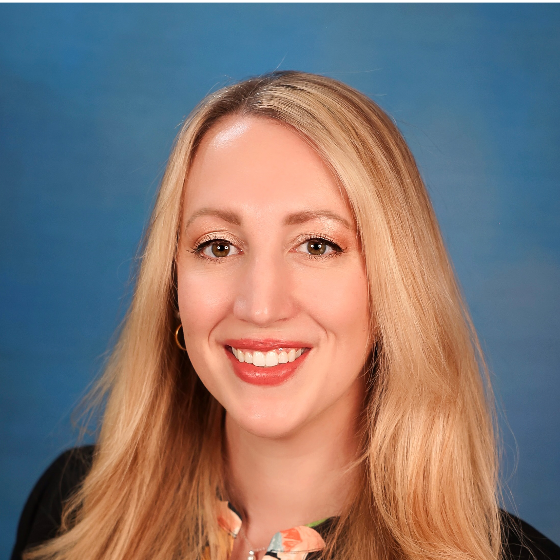 | | Speaker: | Nicole E. Cieri-Hutcherson, Pharm.D., FCCP, BCPS, MSCP | | Clinical Associate Professor
Assistant Director of Experiential Education
University at Buffalo School of Pharmacy and Pharmaceutical Sciences | | View Biography |
|
 | | Speaker: | Lalita Prasad-Reddy, Pharm.D., MS, FCCP, BCACP, CDCES | | Assistant Dean of Preclerkship Education, Vice-Chair of Foundational Sciences @ Humanities
Chicago Medical School, Rosalind Franklin University of Medicine and Science
Clinical Pharmacy Specialist - Outpatient Internal Medicine
Rush University Internists, Rush University Medical Center
Chicago, IL | | View Biography |
|