Monday, October 20, 2025 from 4:00 p.m. to 5:30 p.m. CDT at Greenway ABCDE, 2nd Floor
This session is being recorded.
Learn MoreAvailable for 1.50 hours of CPE creditActivity Number: 0204-9999-25-265-L01-PActivity Type: An Application-Based ActivityOptimal nutrition is an essential component in the care of neonates, infants, and children in the inpatient setting and these patients may require parenteral nutrition to meet their nutritional needs. The goal is to provide optimal nutrition to support growth and development while minimizing risk of complications associated with parenteral nutrition including cholestasis, metabolic bone disease, and toxicity or deficiency of trace elements. This presentation will be provide an overview of strategies evaluated for prevention or treatment of selected parenteral nutrition- associated complications in neonates.
This activity is approved for Board Certified Pediatric Pharmacist (BCPPS) recertification credit.
The BCPPS Clinical Sessions are part of the professional development program for the recertification of Board-Certified Pediatric Pharmacists by the Board of Pharmacy Specialties and jointly provided by ACCP and the American Society of Health-System Pharmacists (ASHP). In order to earn the BCPPS recertification credit, participants must attend the session, claim the continuing pharmacy education credit, and pass the associated posttest. Access to the Clinical Sessions posttests will be available on December 17, 2025, at www.accp.com/myaccount to anyone who has purchased access to the BCPPS posttests. For participants who have not purchased access to the posttests, access can be purchased until 1:00 p.m. on Tuesday, October 21, at the ACCP Registration Desk. The deadline to submit posttests for these sessions will be December 15, 2026.
Learning Objectives1. Determine the challenges of providing optimal nutrition while balancing the risks associated with parenteral nutrition.
2. Compare historic and current strategies for the prevention and treatment of cholestasis associated with parenteral nutrition.
3. Differentiate prevention and treatment strategies for metabolic bone disease in children receiving long-term parenteral nutrition.
4. Evaluate strategies for the prevention and treatment of trace element toxicities and deficiencies in unique patient populations receiving parenteral nutrition.
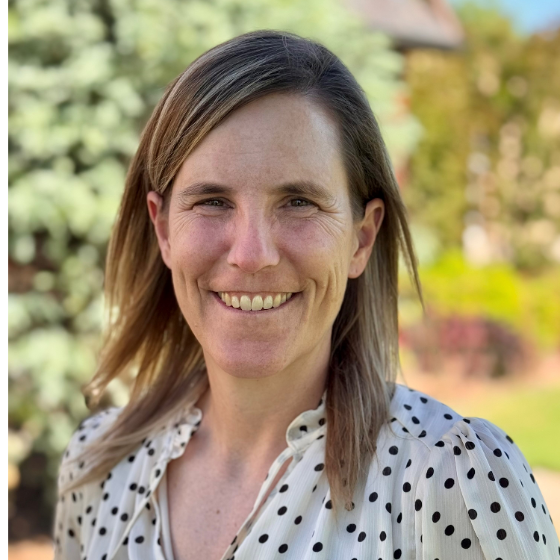 | | Speaker: | Jamie L. Miller, Pharm.D., BCPPS | | Professor
University of Oklahoma
College of Pharmacy
Oklahoma City, Oklahoma | | View Biography |
|
 | | Speaker: | Mary Petrea Cober, II, Pharm.D., MEd, FASPEN, BCNSP, BCPPS | | Professor - Department of Pharmacy Practice
Director of Workforce Development - Office of Student Success
Director of Professional Development - Office of Education
Northeast Ohio Medical University, College of Pharmacy
Rootstown, Ohio | | View Biography |
|