Tuesday, October 21, 2025 from 10:15 a.m. to 11:45 a.m. CDT at Great Lakes C, 4th Floor
Available for 1.50 hours of CPE creditActivity Number: 0217-0000-25-132-L01-PActivity Type: A Knowledge-Based ActivityNeuromuscular blocking agents (NMBAs) have many clinical uses in the critical care setting including rapid sequence intubation (RSI), acute respiratory distress syndrome (ARDS), and various neurologic conditions. Data for the usage, patient populations with which to apply the data, and execution of using these agents requires an intimate understanding of the strengths and limitations of the literature to promote safe and effective therapy. This session will explore some of the clinical controversies surrounding the application of NMBAs to various critically ill patients. The session will be 90 minutes broken down into 3 sections and include interactive patient cases as the backdrop for each subsection. The first section will explore RSI, investigate the evidence of rocuronium versus succinylcholine, and the considerations surrounding early continuous sedation after RSI. The second section will explore the mechanism of usage of NMBA, specifically investigating continuous versus intermittent NMBA and goals of therapeutic “monitoring” for NMBAs (e.g., train-of-four versus ventilator targets versus bispectral index monitoring). The final section will explore the use of NMBAs without sedation for various diagnostic and therapeutic applications (e.g., somatosensory evoked potentials (SSEPs) testing) and investigate the use of sugammadex for NMBA reversal in non-operating room settings.
Learning Objectives1. Summarize the data for the use of rocuronium versus succinylcholine to facilitate RSI.
2. Define effective sedation strategies after RSI to prevent awake paralysis.
3. List the pharmacologic advantages and disadvantages of continuous versus intermittent NMBA for various clinical scenarios.
4. Discuss the monitoring of clinical endpoints when using NMBA for various clinical scenarios.
5. Explain sedation practices and unique considerations for the use of awake paralysis while utilizing NMBAs.
6. Identify opportunities for NMBA reversal optimization outside of the operating room.
 | | Moderator: | Scott T. Benken, II, Pharm.D., MHPE, FCCP, FCCM, BCCCP | | Clinical Professor | Pharmacy Practice | Retzky College of Pharmacy
Clinical Pharmacist | Medical Intensive Care Unit | University of Illinois Health
PGY2 Critical Care Pharmacy Residency - Program Director | | View Biography |
|
An Analysis of Paralysis: Focus on NMBA in RSI10:15 a.m. to 10:45 a.m. | | Speaker: | Megan A. Rech, Pharm.D., Masters in Research, FCCP, FCCM, BCCCP | | Research Health Scientist | Clinical Pharmacist Specialist
Center of Innovation for Complex Chronic Healthcare
Edward Hines Jr VA Hospital, Hines Illinois (remote)
Associate Professor, Skaggs School of Pharmacy and Pharmaceutical Sciences
Adjoint Assistant Professor, Department of Emergency Medicine
University of Colorado Anschutz Medical Campus, Aurora, Colorado
| | View Biography |
|
|
An Analysis of Paralysis: Focus on NMBA Administration and Monitoring10:45 a.m. to 11:15 a.m.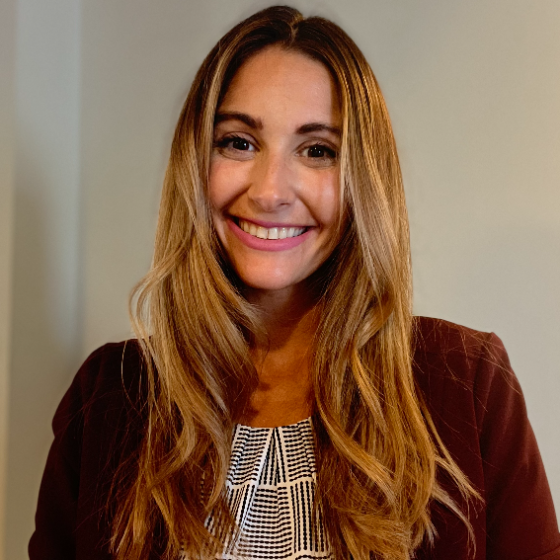 | | Speaker: | Julie DiBridge Clarkson, Pharm.D., BCCCP, BCCP | | Assistant Professor, University of Pittsburgh School of Pharmacy
Clinical Pharmacist, Advanced Heart Failure and Pulmonary Hypertension, UPMC Presbyterian Hospital
Pittsburgh, PA | | View Biography |
|
|
An Analysis of Paralysis: Focus on NMBA and Awake Paralysis and Reversal Strategies11:15 a.m. to 11:45 a.m. | | Speaker: | Eric Johnson, Pharm.D., MBA, BCCCP | | Associate Director | Perioperative & Surgical Clinical Pharmacy
University of Kentucky HealthCare
Associate Adjunct Professor | UK Colleges of Pharmacy and Medicine
Department of Pharmacy Practice and Science
Department of Anesthesiology, Perioperative, Critical Care & Pain Medicine
Lexington, Kentucky | | View Biography |
|
|