Monday, October 20, 2025 from 8:00 a.m. to 9:30 a.m. CDT at Greenway FGHIJ, 2nd Floor
This session is being recorded.
Learn MoreAvailable for 1.50 hours of CPE creditActivity Number: 0217-9999-25-150-L01-PActivity Type: An Application-Based ActivityUrinary incontinence affects millions of adults, significantly impacting their quality of life and overall health. This session will provide a comprehensive overview of the latest advancements in the pharmacologic management of urinary incontinence. Participants will explore the mechanisms, efficacy, and safety of current treatments while gaining insights into the pipeline of emerging therapies. Emphasis will be placed on tailoring treatments to individual patient needs, particularly in ambulatory care and geriatric settings. Attendees will leave with practical strategies to enhance patient outcomes and stay ahead of the evolving therapeutic landscape.
This activity is approved for Board Certified Ambulatory Care Pharmacist (BCACP) and Board Certified Geriatric Pharmacist (BCGP) recertification credit.
The BCACP and BCGP Clinical Sessions are part of the professional development program for the recertification of board-certified Ambulatory Care or Geriatric pharmacists by the Board of Pharmacy Specialties and jointly provided by ACCP and the American Society of Health-System Pharmacists (ASHP). In order to earn the BCACP, BCGP recertification credit, participants must attend the session, claim the continuing pharmacy education credit, and pass the associated posttest. Access to the Clinical Sessions posttests will be available on December 17, 2025, at www.accp.com/myaccount to anyone who has purchased access to the BCACP/BCGP posttests. For participants who have not purchased access to the posttests, access can be purchased until 1:00 p.m. on Tuesday, October 21, at the ACCP Registration Desk. The deadline to submit posttests for these sessions will be December 15, 2026.
Learning Objectives
1. Recognize the different types of urinary incontinence based on patient symptoms and presentation.
2. Evaluate current pharmacologic options for managing urinary incontinence, including their mechanisms of action, efficacy, and safety profile.
3. Assess the clinical data on emerging therapies for urinary incontinence and their potential role in patient care.
4. Formulate evidence-based treatment strategies for managing urinary incontinence in ambulatory care and geriatric populations.
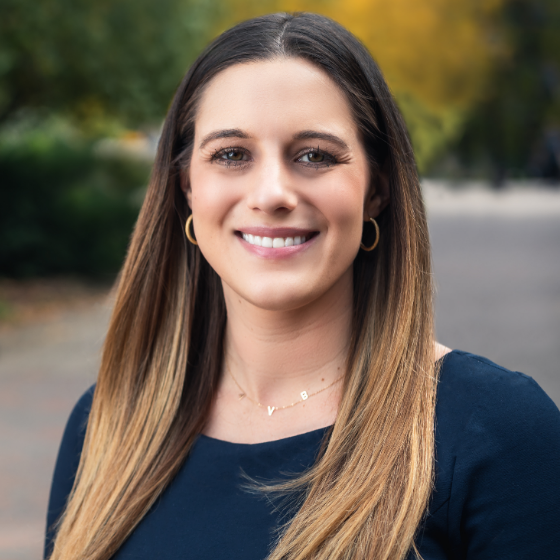 | | Speaker: | Jamie L. McConaha, Pharm.D., FCCP, BCACP | | Associate Professor of Pharmacy Practice
School of Pharmacy - Clinical, Social and Administrative Sciences
Duquesne University
Pittsburgh, Pennsylvania | | View Biography |
|
 | | Speaker: | Erica F. Crannage, Pharm.D., FCCP, BCACP | | Professor, Pharmacy Practice
St. Louis College of Pharmacy at The University of Health Science & Pharmacy;
Clinical Pharmacy Specialist
Mercy Clinic - Family Medicine
St. Louis, Missouri | | View Biography |
|