Tuesday, October 20, 2026 from 8:30 a.m. to 11:45 a.m. MDT at Salt Palace Convention Center - Ballroom I
This session is being recorded.
Learn MoreThe Clinical Reasoning Series aims to deliver programs that meaningfully advance pharmacy specialists’ knowledge, skills, and clinical judgment. Topic selection for the program reflects content that is timely and of relevance and value to the practice of Board Pharmacotherapy Specialists (BCPS).
Participants will have the opportunity to attend four educational activities, divided into a two-part morning and two-part afternoon session. Part Two will offer 3.0 contact hours of continuing pharmacy education credit toward BCPS recertification credit upon completing the required posttests by the submission deadline and achieving a predetermined passing score. The posttests will be available on November 11, 2026. The deadline to submit posttests and earn recertification credit for the session will be November 11, 2027. If you have not already purchased posttest access and wish to add it to your registration, email [email protected] or visit the registration desk on or before October 20, 2026.
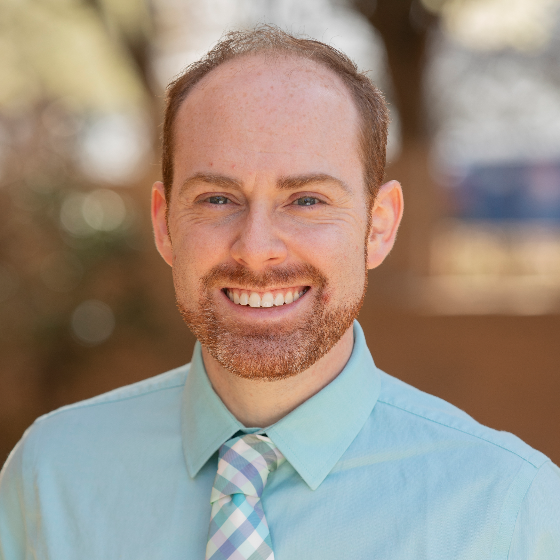 | | Moderator: | Paul M. Boylan, Pharm.D., M.S., BCPS | | Associate Professor
The University of Oklahoma College of Pharmacy
Oklahoma City, OK | | View Biography |
|
Skin in the Game: Burn and Wound Pharmacotherapy Updates8:30 a.m. to 10:00 a.m.
Available for 1.50 hours of CPE credit
Activity Number: 0217-0000-26-114-L01-P
Activity Type: An Application-Based Activity
Burns and wounds are prevalent conditions encountered by board certified pharmacists practicing across the continuum of care. Burn and wound care requires patient-specific pharmacotherapeutic management to optimize healing and prevent complications. While board certified pharmacotherapy specialists possess a strong foundation in comprehensive medication management, it is expected that many lack familiarity with wound classification schema, burn-specific pharmacokinetic considerations, topical therapy knowledge, and pain management strategies unique to burn and wound populations. Using case-based instruction and interactive clinical reasoning, this application-based session addresses a gap between board certified pharmacists’ knowledge of skin disorders and their abilities to develop evidence-based wound and burn pharmacotherapy plans, assess medication-related barriers to healing, and collaborate with interprofessional wound care teams. This activity offers 1.5 contact hours of CPE and BCPS recertification credit. Learning Objectives1. Determine burn injury severity by assessing the size and depth of injury. 2. Recommend an appropriate burn resuscitation strategy for a patient with a large body surface area burn. 3. Compare pharmacokinetic alterations after burn injury to patients without burns. 4. Select topical antimicrobial therapies based on wound characteristics, infection risk, and patient-specific factors. 5. Construct a multimodal analgesic regimen for a patient with a large body surface area burn. 6. Recognize drug-induced Stevens-Johnson syndrome (SJS) and toxic epidermal necrolysis (TEN) to initiate appropriate therapy. 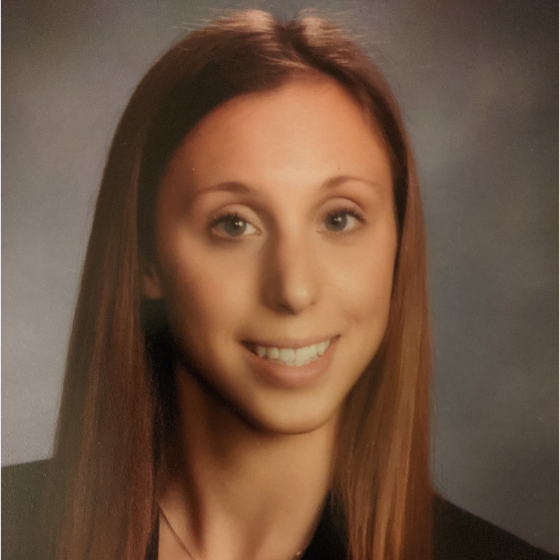 | | Speaker: | Kaitlin A. Pruskowski, Pharm.D., FCCM, BCCCP, BCPS | | Clinical Pharmacist
US Army Institute of Surgical Research
JBSA Fort Sam Houston, TX | | View Biography |
|
|
Break in Programming10:00 a.m. to 10:15 a.m. |
Beyond the Counter and Into the Crisis: Pharmacist Roles in Disaster Response10:15 a.m. to 11:45 a.m.
Available for 1.50 hours of CPE credit
Activity Number: 0217-0000-26-115-L01-P
Activity Type: An Application-Based Activity
Natural disasters, public health emergencies, and mass casualty events are increasingly common, challenge existing health care delivery models, and disrupt pharmacy practice. While board-certified pharmacists possess strong clinical knowledge, many may lack familiarity and confidence managing medication-related needs during disasters when resources are limited, supply chains are disrupted, and standard protocols cannot be followed. Using case-based instruction and interactive clinical reasoning, this application-based session addresses a critical gap between pharmacists’ clinical expertise in controlled environments and their ability to leverage their skills during crises. This activity offers 1.5 contact hours of CPE and BCPS recertification credit. Learning Objectives1. Categorize disasters, communicable disease outbreaks, and mass casualty events by their impact on pharmaceutical care and pharmacist involvement opportunities. 2. Identify resources for education and training on preparedness, disaster response frameworks, and certifications that can enhance individual clinical pharmacist readiness. 3. Evaluate disaster response medication management strategies using evidence-based frameworks to determine applicability across pharmacy practice settings. 4. Formulate disaster response plans, policies and procedures, and protocols for your organization and/or practice site. 5. Apply disaster response readiness skills in different clinical scenarios. 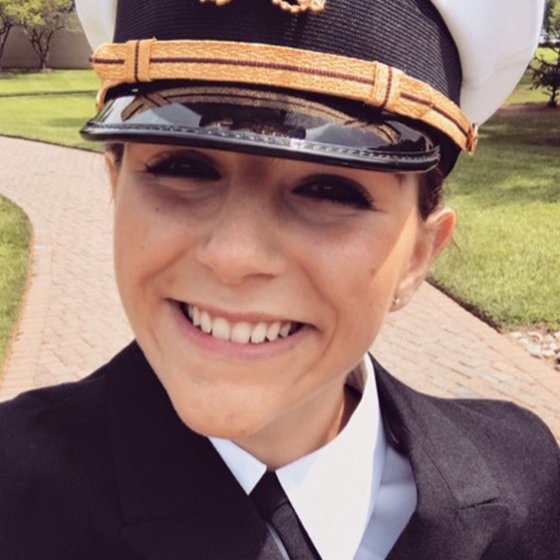 | | Speaker: | Madison L. Adams, Pharm.D., Master of Science in Health Care Administration, BCPS | | LCDR, U.S. Public Health Service/Indian Health Service
Antimicrobial Stewardship and Inpatient Clinical Pharmacist
Northern Navajo Medical Center
Shiprock, NM | | View Biography |
|
|