Sunday, October 18, 2026 from 10:30 a.m. to 12:00 p.m. MDT at Salt Palace Convention Center - Ballroom I
This session is being recorded.
Learn MoreAvailable for 1.50 hours of CPE creditActivity Number: 0204-9999-26-206-L01-PActivity Type: An Application-Based ActivityCarbon monoxide (CO) and cyanide (CN) poisonings frequently co-occur after house or industrial fires and are under-recognized in the first hour of care. Using cases and an ED-ready algorithm, this session will equip emergency medicine pharmacists and interprofessional teams with a first-hour care pathway for CO, CN, and hydrogen sulfide (H2S) exposure, including recognition, antidote selection, logistics, and hyperbaric oxygen therapy decisions. Using example cases and an ED-ready algorithm, faculty will illustrate standardized pathways and optimal antidote stocking to shorten time-to-antidote, reduce morbidity from delayed therapy, and standardize care across sites.
This activity is approved for Board Certified Pediatric Pharmacy Specilaist (BCPPS), Board Certified Critical Care Pharmacist (BCCCP), and Board Certified Emergency Medicine Pharmacist (BCEMP) recertification credit.
The BCPPS/BCCCP/BCEMP Clinical Sessions are part of the professional development program for the recertification of board-certified Pediatric, Critical Care, and Emergency Medicine pharmacists by the Board of Pharmacy Specialties and jointly provided by ACCP and the American Society of Health-System Pharmacists (ASHP). In order to earn the BCPPS, BCCCP, and/or BCEMP recertification credit, participants must attend the session, claim continuing pharmacy education credit, and pass the associated posttest(s). Access to the Clinical Session posttests will be available on December 16, 2026, at www.accp.com/myaccount to anyone who has purchased access to the BCPPS, BCCCP, and/or BCEMP posttests. For participants who have not purchased access to the posttests, access can be purchased until 12:00 p.m. on Tuesday, October 20th, at the ACCP Registration Desk. The deadline to submit posttests for these sessions will be December 14, 2027.
Learning Objectives1. Construct a first-hour algorithm to manage patients after smoke inhalation injury.
2. Differentiate among various quick-knockdown agents and their toxicities, including populations at increased risk (e.g., pediatrics, pregnancy).
3. Evaluate patient-specific factors to determine appropriateness of hyperbaric oxygen therapy, including indications, contraindications, and operational constraints.
4. Evaluate common smoke-inhalation injury treatment pitfalls and plan mitigations, including the impact of early interventions on subsequent patient management in the ICU.
5. Design treatments with appropriate antidotes based on clinical presentation, population affected, laboratory findings, and contraindications.
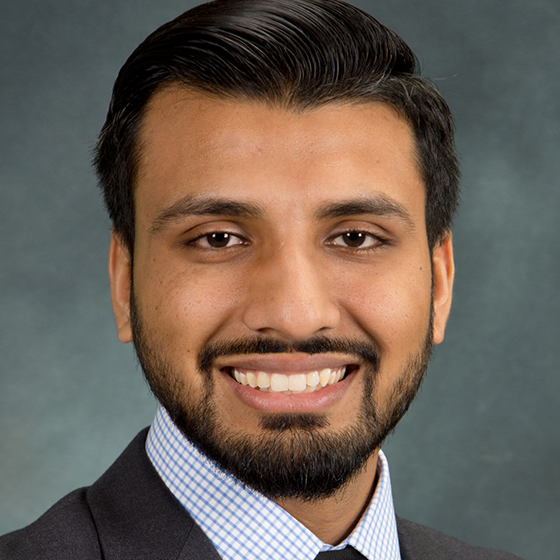 | | Speaker: | Faisal S. Minhaj, Pharm.D., MPH, DBAT | | Executive Director, California Poison Control System,
Associate Dean of Public Health
Associate Professor, Clinical Pharmacy
University of California School of Pharmacy, San Francisco
San Francisco, California | | View Biography |
|
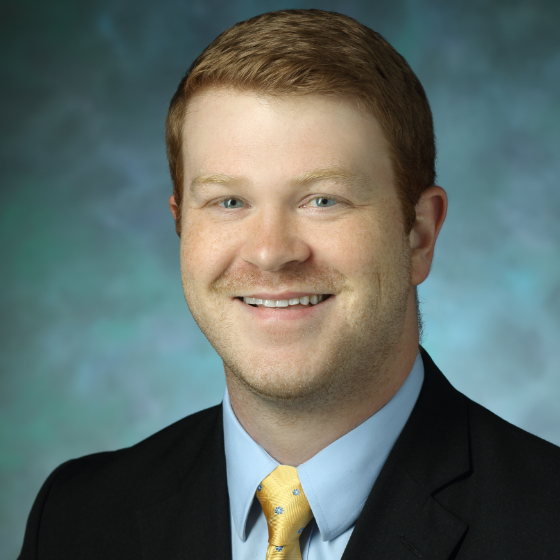 | | Speaker: | Kevin J. Mercer, Pharm.D., MPH, FCCM, BCCCP, BCEMP, BCPS, CPH | | Assistant Professor of Practice | The University of Texas at Austin College of Pharmacy
Science & Medicine Advisor | American Heart Association
Emergency Medicine Pharmacist | HCA Houston Healthcare
Research Coordinator | Southeast Texas Poison Center | | View Biography |
|