Monday, October 19, 2026 from 3:30 p.m. to 5:00 p.m. MDT at Salt Palace Convention Center - Ballroom F
Available for 1.50 hours of CPE creditActivity Number: 0217-0000-26-169-L01-PActivity Type: A Knowledge-Based ActivityPharmacogenomic testing has transformed personalized medicine, but real-world challenges often extend beyond genetic analysis. Rare genetic variants, incomplete evidence, and complex clinical scenarios can lead to unexpected drug responses, even when guidelines are followed. This 90-minute session will consist of the following two 40-minute presentations (including 5 minutes at the end of each session for a question-and-answer session) that explore distinct critical dimensions of precision medicine, with each presentation beginning with a patient case to illustrate the importance of the topic to ACCP’s 2026 theme of patient safety and avoiding patient harm. The first presentation will focus on recent progress in the routine clinical uptake of DPYD genotyping to guide fluoropyrimidine chemotherapy use and caveats for use. The second presentation will discuss non-genetic factors -- such as drug interactions, organ function, and environmental influences-- that are known to alter drug disposition phenotypes. Through case-based discussion and evidence review, attendees will learn strategies to navigate these complexities and optimize patient care. By addressing gaps between genotype and clinical reality, this session aims to equip pharmacists with practical tools for individualized therapy.
Learning Objectives1. Recognize the potential for DPYD variants to cause treatment-limiting and potentially fatal adverse drug reactions.
2. Describe recent updates to clinical practice guidelines and FDA regulatory requirements related to DPYD pharmacogenetic testing.
3. Discuss key clinical and operational considerations to the implementation of DPYD-guided fluoropyrimidine therapy in practice settings.
4. Identify key sources of high-quality, evidence-based Pharmacogenomics information.
5. Identify intrinsic characteristics and medical conditions that impact interpretation of pharmacogenomics results.
6. Discuss evidence-based sources of PGx information to differentiate between appropriate and inappropriate application of pharmacogenomics testing.
 | | Moderator: | Jordan Baye, Pharm.D., MA, BCPS | | Assistant Professor, South Dakota State University College of Pharmacy & Allied Health Professions
| | View Biography |
|
The Story of DPYD – From Evidence to Advocacy to FDA Boxed Warning to Implementation3:30 p.m. to 4:15 p.m. | | Speaker: | Max Max Smith, III, Pharm.D., BCPS | | Clinical Pharmacogenomics Specialist,
MedStar Health;
Associate Professor,
Georgetown University Medical Center
Washington, DC | | View Biography |
|
|
Your Patient is More Than a Genotype: Non-Genetic Factors That Impact Phenotype4:15 p.m. to 5:00 p.m.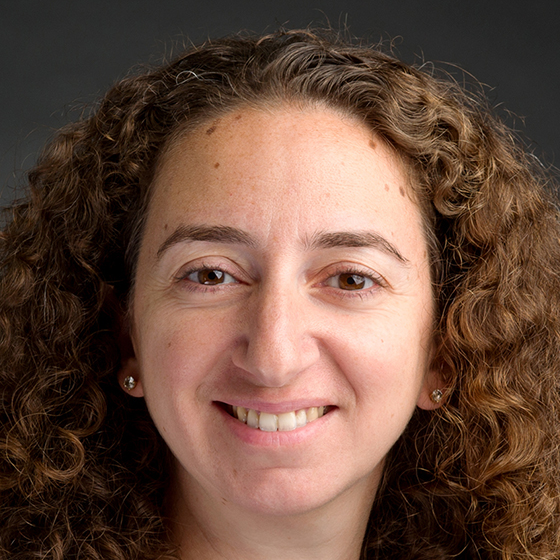 | | Speaker: | Cyrine E. Haidar, II, Pharm.D., BCOP, BCPS, FASHP | | St. Jude Children’s Hospital, Memphis, Tennessee | | View Biography |
|
|