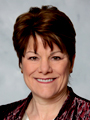
It’s amazing to think that my year of service as your president is winding down and will conclude in just a few weeks. It has been an exciting year for ACCP, with milestones such as the announcement of a major research grant to assess the impact and implementation of comprehensive medication management (CMM) by clinical pharmacists in primary care settings; meetings with a record number of attendees and posters; continued work on our Medicare Benefit Initiative to recognize qualified clinical pharmacists working in collaborative care teams with our partner, the College of Psychiatric and Neurologic Pharmacists; BPS approval of ACCP’s new recertification programs in critical care and pediatrics; and the expansion of our international programming, which will culminate with the Global Conference on Clinical Pharmacy in San Francisco, October 17–21.
I have been privileged to work with the outstanding group of clinical pharmacists who serve on the Board of Regents. Each meeting has brought thoughtful discussion on how ACCP can better serve its members and achieve its strategic priorities to develop, advance, and position clinical pharmacists to benefit patients and society. Important topics of discussion have included increasing the training opportunities for clinical pharmacists, overseeing the expenditure for the CMM research grant, and giving constant attention to the progress of initiatives within the Strategic Plan.
Although their work may often occur behind the scenes, I must recognize the excellent work done by the many committees and task force members who provide many of the College’s important work products. The members of ACCP are generous in their volunteerism—the record number of committee volunteers last year was broken again this year. President-Elect Terry Seaton has worked hard to assign as many volunteers as possible, but it’s just not possible to accommodate everyone who wants to participate in committee service! The projects and issues that are the focus of our committees originate from the ACCP Strategic Plan, the many comments provided by the membership in our annual “issues survey,” and the College’s ongoing initiatives.
Our 2015 committees are completing their charges in important areas like implementation of the Clinical Pharmacist Standards of Practice and identification of the challenges being faced by acute care practitioners resulting from the shift to primary care and outpatient services. This year’s committee members have also been involved in helping to design a new research training program, preceptor development program, and tools for assessment of teaching certificate programs. They have also approved hundreds of new members and a new class of ACCP Fellows, nominated an outstanding slate of candidates and award winners, assessed research fellowship programs through peer review, and designed an inpatient clinical pharmacist survival guide. One of this year’s task forces described important issues around the provision of CMM through telehealth or other novel technologies. Some of these activities are for internal use, but others will be published or released in the form of new ACCP products or services. My personal thanks go to the committee chairs and their members for their effort, creativity, and generous contribution of time.
I also want to recognize the Student and Resident committees for accomplishing a large amount of great work this year. The research skills competition exclusively for first- and second-year pharmacy students was designed by the National Student Network Advisory Committee and will be implemented this year with their assistance. The Resident Advisory Committee has developed tools to assist new student chapters and has prepared a variety of videos using ClinPharmEd.
ACCP has continued to grow and now numbers more than 16,000 members. This is a challenge for the ACCP staff, but this dedicated group of association professionals works as hard as you do to address the needs of individual members, add new programs and services, and facilitate the activities of the board and committees. Although we have added a few new staff members this year, existing staff have continued to work efficiently to meet rising member demands. Please thank the staff in person when you have the opportunity.
I look forward to seeing a record number of participants at our meeting in October—a Global Conference with attendees from more than 39 countries, a large number of posters, and a modified schedule that has moved the keynote address, “Measuring Quality in Patient-Centered Care—Challenges and Opportunities” by Michael S. Barr, M.D., MBA, FACP, to Monday morning. The Sunday morning program will still include recognition of our major award winners and new Fellows and the Therapeutic Frontiers Award lecture by William Douglas Figg Sr titled “The National Cancer Institute’s Revolving Door of Science: Bench to Bedside and Back to the Bench.” Highlights such as the Clinical Pharmacy Challenge and the Great Eight best paper presentations continue, together with the addition of a new closing ceremony that will feature recognition of the meeting’s scientific paper award winners.
Look for opportunities to interact with other members, the ACCP leadership, and our guests from around the world at the Opening Reception, the Research Institute Game Night, the Pharmacotherapy and Research Institute Open House, and the many PRN business and networking sessions. Be prepared to expand your knowledge, have some fun, and get reenergized for another exciting year—I know that I will!