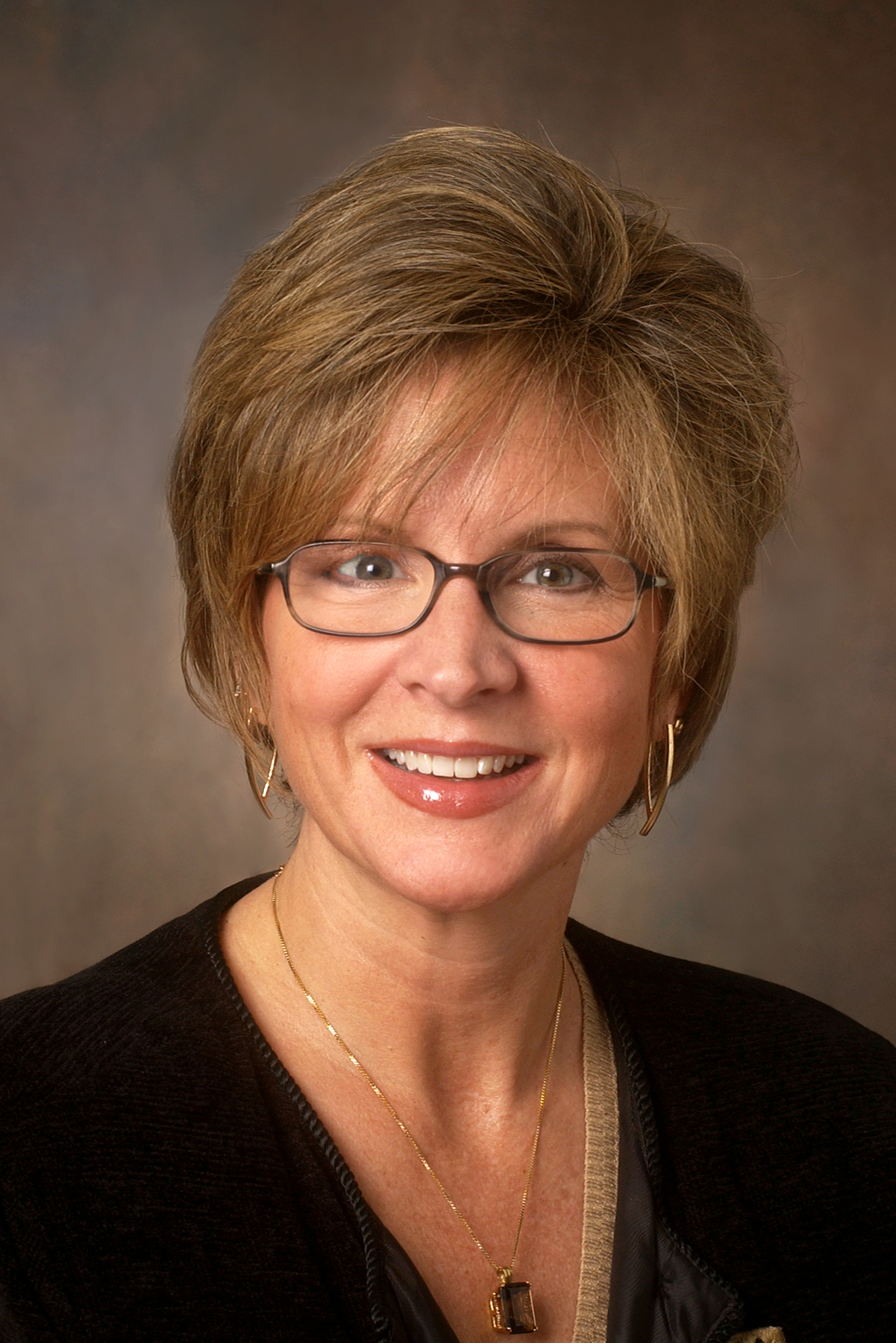
This month, the ACCP Board of Regents (BOR) is welcoming incoming elected leaders, reviewing final 2021 committee reports, and making plans for the upcoming IN-PERSON (YAY!!!) Annual Meeting in Phoenix, October 16–19. This is a time of excitement on many levels as we collectively recognize the committed efforts of members, PRNs, and the ACCP staff. The July BOR meeting background packet of materials is always large … and I do mean LARGE! That is wonderful news because it reminds us of the substantial progress being made throughout our organization as we address the College’s Strategic Plan. Without the systematic and consistent investment of time by members and staff, advancing ACCP’s initiatives would be impossible – I wish to express a huge THANK YOU to all!
This year, the BOR has benefited from the guided development of skills needed to become more inclusive leaders. We continue to work diligently to understand how to create an inclusive culture across ACCP – one in which no one needs to change or let go of differences to be accepted or integrated into the College’s mission. Working with Ameli Global Partnerships (https://ameliglobalpartnerships.com/), we are privileged to have access to training activities that help each of us as individuals understand diversity, equity, and inclusion (DEI) definitions and distinctions, unconscious bias, microaggressions, and the traits of inclusive leaders.
These developmental efforts are helping us appreciate levels of diversity and the many aspects of human differences. Through our training, we are understanding visible and nonvisible differences influencing group dynamics. Primary visible differences (gender identity, race, national origin, age, physical/mental abilities) serve only as surface distinctions. Diversity across education, religion, family status, workplace roles, and cultural values brings unique contributions that can lead to creative innovations. Setting a tone where everyone can share individual experiences is critical to creating an environment of belonging.
Most of us are familiar with “unconscious bias” and have participated in training to improve understanding of our individual biases. In our BOR developmental activities, the common types of biases were shared with us. Through this activity, the potential impact of affinity bias, attribution bias, confirmation bias, and conformity bias resonated as hidden risks to transforming conversations. I hope every member will become familiar with these biases. Let’s consider how we can overcome their influence on organizational activities, including committee work, programming, presentations, recognition of honors, and the nominations process. We should ask ourselves: “Do my actions and words reflect the value of inclusion?”
These humbling self-excavations can be challenging and difficult. The BOR is uncovering vulnerabilities and committed to sharing their authentic selves, partnering to become inclusive leaders. Board members are invested in creating systems that foster and leverage the strength of diversity across our membership. We are prepared to learn new and critical skills as we step into discussions as vulnerable individuals seeking to learn more across the dimensions of diversity.
It is helpful to have tangible individual goals when embarking on these efforts. We are examining our individual areas of strengths and weaknesses using the “6 Signature Traits of Inclusive Leaders”: Commitment, Courage, Cognizance, Curiosity, Cultural Intelligence/Competency, and Collaboration. Even though we are at different stages individually, we are finding support and encouragement together as we identify individual vulnerabilities and gaps. In my case, I have so much to learn about cultural intelligence. And to value differences and similarities equally, I must first learn from others.
I am reminded of my early days as a clinical pharmacy resident when I was taught to simply say, “I don’t know, but I will look it up.” Acknowledging what I didn’t know and then finding drug information and answers to clinical questions was part of the skill-building needed to become a stronger clinician. Now, many years later, I am in the same position, humbling myself to acknowledge what I don’t know. The difference is, it isn’t as simple as just “looking it up” – it requires invested efforts to communicate across cultures and an attempt to find opportunities and resources to educate myself. I am excited to have this opportunity and very grateful to be working toward improving my CQ (cultural intelligence). By creating environments for open sharing, trust-building, and intentional activities, we are integrating individual IQ and CQ to help build inclusiveness across ACCP.
Commitment, courage, and collaboration will help each of us embody behaviors consistent with the values of inclusive leadership. Moving from good intentions to impactful action by intentional behaviors will begin a cultural transformation that makes us stronger, better prepared, and more inviting to the future generation of leaders in clinical pharmacy.
I encourage each member to watch the powerful video, ”Inclusion Starts with I” (www.youtube.com/watch?v=2g88Ju6nkcg). The visual impact of this powerful message reminds us that every one of us – regardless of race, gender, ability, national origin, age, or family status – wants to feel included. We want a chance. We want to be accepted and respected. We want our differences to be seen as strengths. We want to contribute our creative gifts to achieve a shared purpose. Inclusion can start with one person … Be the One!