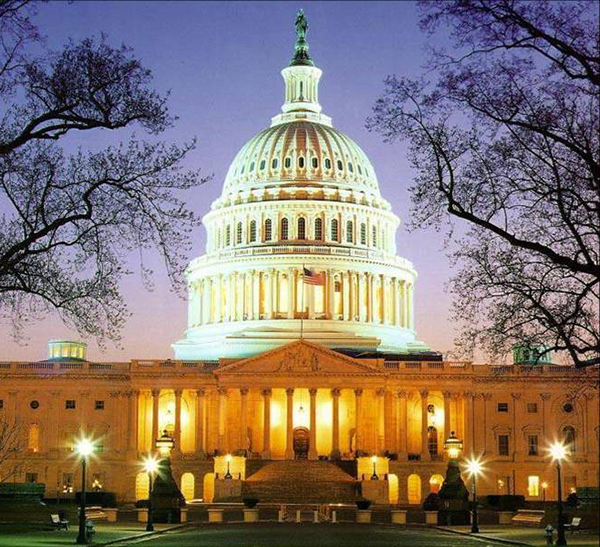
 When the 120th US Congress is sworn in, the Democratic Party will control both chambers of Congress while President Donald J. Trump completes the balance of his term. Even with divided government, the health policy agenda will remain one of the most active areas in Washington.
The 2027 health policy agenda will likely center on affordability, oversight, and implementation. Congress will probably continue to push heavily on pharmacy benefit manager (PBM) reform, physician payment, and oversight of Medicare drug negotiations. The executive branch will continue implementing major regulatory initiatives that affect Medicare reimbursement and prescription drug spending. ACCP will remain focused on advancing opportunities to integrate coverage for comprehensive clinical pharmacy services in Medicare.
Prescription drug policy will remain an area where congressional and executive branch interests are most likely to align. ACCP will remain focused on advancing opportunities to integrate coverage for comprehensive clinical pharmacy services in Medicare.
Congress
Congress is expected to devote significant attention to health care costs, particularly as Medicare spending continues to rise and federal fiscal pressures intensify. House and Senate committees with health jurisdiction are likely to continue aggressive oversight of Medicare, Medicaid, and federal health agencies. Democratic control will probably elevate legislation to expand access to health insurance, focused on broadening coverage under Medicare and/or the Affordable Care Act.
In addition, 1 clear bipartisan priority will remain: PBM oversight. After the enactment of major PBM reforms earlier this year, lawmakers will want to monitor implementation and perhaps even consider additional reforms. Lawmakers from both parties argue that PBMs contribute to higher prescription drug costs, making continued scrutiny of this sector likely.
Lawmakers will also want revisit physician payment issues. Physicians continue to express concern about Medicare reimbursement and the financial viability of independent practices. The annual Medicare physician fee schedule remains a recurring bipartisan issue, and lawmakers will face pressure to stabilize Medicare reimbursement. ACCP has consistently promoted stronger physician payments to help support the collaborative, value-based practices where clinical pharmacists often work.
Additional areas likely to receive congressional attention include:
- Hospital and provider access, especially in rural communities
- Medicare Advantage oversight policy, especially prior authorization concerns
- Telehealth and remote patient monitoring reimbursement
- Biosimilar and generic drug competition
- Artificial intelligence and digital health regulation
Congress is also expected to continue consideration of the Ensuring Community Access to Pharmacist Services Act (H.R. 3164), which would allow pharmacists to bill Medicare Part B for certain testing, treatment, and immunization services related to infectious diseases. The legislation has substantial bipartisan support, has been endorsed by ACCP, and could advance either during the current Congress or the next Congress if not enacted this year.
Executive Branch
Although the executive branch will largely focus on health policy implementation in 2027, it will also initiate new policies through existing legal authority and its regulatory agenda.
Key executive branch health agencies include the Department of Health and Human Services (HHS) and its agencies including the Centers for Medicare & Medicaid Services (CMS), the FDA, the CDC, and the NIH. The White House Office of Management and Budget is also a key actor that gives final approval of, and holds the authority to amend, all proposed and final regulations.
CMS is expected to continue to shape physician payment, value-based care, digital health, and Medicare program integrity. It will also continue to implement the Inflation Reduction Act’s Medicare Drug Price Negotiation Program and monitor recently enacted PBM reforms.
The CMS “Innovation Center” (aka CMMI) is a key executive branch department that explores ways to improve outcomes, provide health services, and test alternative health delivery and payment methods. ACCP has worked closely with CMMI over the years and will continue to explore ways to advance comprehensive clinical pharmacy services in Medicare through the center’s pilots and demonstration programs. One current CMMI program tests Medicare coverage for GLP-1 medicines for weight loss and weight management. This could present opportunities to offer expertise on policies to help ensure optimal therapy.
Meanwhile, FDA will continue approvals of generics, biosimilars, and other innovative therapies. Republican policymakers in particular view faster generic and biosimilar competition as a key alternative to direct government drug-pricing initiatives. FDA will also work with Congress to reauthorize the Prescription Drug User Fee Act.
HHS will also focus on:
- Chronic disease management
- Medicare and Medicaid program integrity
- Health care workforce shortages and burnout
- Public health preparedness
- Use of digital technologies and data interoperability
Bottom Line
The 2027 health policy agenda will likely center on affordability, oversight, and implementation. Congress will probably continue to push heavily on PBM reform, physician payment, and oversight of Medicare drug negotiations. The executive branch, particularly CMS and HHS, will continue implementing major regulatory initiatives that affect Medicare reimbursement and prescription drug spending. Prescription drug policy will remain an area where congressional and executive branch interests are most likely to align.
Finally, a Democratic majority in Congress could lead the White House to seek “grand compromises,” including on health care policy. Trump views himself an expert dealmaker, and facing thoughts about his place in history, he may seek opportunities to work with Democrats to bolster his legacy. He has already shown support for traditional Democratic health policies, like “most favored nation” drug pricing and Medicare drug price negotiations, so some believe this is a possibility. Given the bad blood between the 2 sides, sometimes “politics makes strange bedfellows.”