American College of Clinical Pharmacy
      Search      Cart
         

PSAP 2026 Book 1 (Endocrinology and Nephrology)


Format to Purchase:
Member Price:
$---.--
Nonmember Price:
$---.--

PSAP 2026 Book 1 (Endocrinology and Nephrology)

The successful pharmacologic management of patients with key endocrine and kidney-related conditions requires an evidence-based perspective. The latest release in ACCP’s popular Pharmacotherapy Self-Assessment Program provides clinical insights and updates in both of these therapeutic areas. The target audience for PSAP 2026 Book 1 (Endocrinology and Nephrology) includes board-certified pharmacotherapy specialists (BCPS) and other advanced-practice pharmacists who are involved in the clinical management of chronic conditions related to endocrine and kidney health.
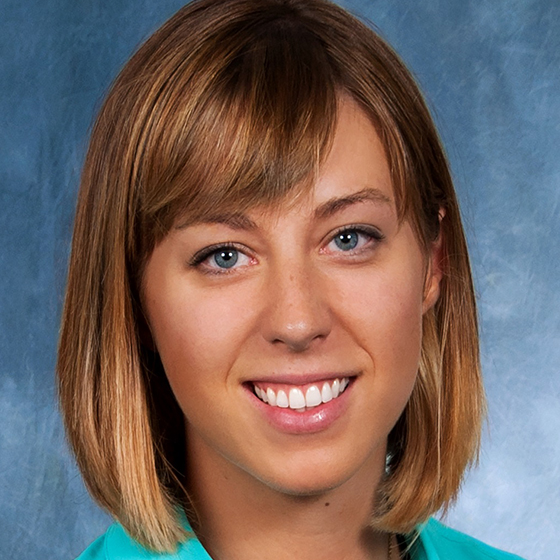
Elizabeth Van Dril, Pharm.D., BCPS, BCACP, CDCES
Van Dril

Endocrinology and Nephrology contains nine learning activities offering a total of 18.5 available continuing pharmacy education (CPE) credits. Each learning activity may be taken individually for CPE credit. The book content was developed under the leadership of Elizabeth Van Dril, Pharm.D., BCPS, BCACP, CDCES, Clinical Assistant Professor, Department of Pharmacy Practice, University of Illinois Chicago Retzky College of Pharmacy, Chicago, Illinois.

Continuing education activities in PSAP cover the most recent published data (past 3–5 years) on a specific therapeutic area or patient-care problem. Learning content is provided as an electronic book (interactive PDF) with high-level updates in up to three formats, as appropriate to the topic:

  • Traditional chapters review the latest published evidence on a therapeutic or practice-related topic
  • In a case series feature, major sections of learning content are each bookended by a sample case and its explained answer
  • Recorded webcasts provide learning content as a PowerPoint presentation, accessed as an MP4 file as well as a PDF of slides and transcribed narrative

Every PSAP release comes in two full-color online formats: (1) interactive PDFs you can save to your desktop or print; and (2) an e-media version you can view on an e-reader, tablet, iOS or Android smart phone. Learning elements are also provided in audio form (MP3 files) as the popular PSAP Audio Companion. For an additional fee, a limited number of one-color softbound print books can be added to these formats and shipped to your address.

All PSAP learning elements are fully referenced, with clickable hyperlinks to literature compilers such as PubMed. Other links provide ready access to clinical practice guidelines, official recommendations, and patient assessment tools. Graphic features focus on pivotal studies, patient care scenarios, and take-home points that can be readily integrated into clinical practice.

Publisher: ACCP, 200 pages, January 2026; ISBN-13s: 978-1-964074-31-3 (print); 978-1-964074-32-0 (eBook)

Release Date: January 15, 2026
BCPS Deadline: July 15, 2026
ACPE Deadline: January 15, 2029

Contents

Chapter: Cardiovascular-Kidney-Metabolic Syndrome

Cardiovascular-kidney-metabolic (CKM) syndrome is a comprehensive unified framework linking type 2 diabetes, chronic kidney disease (CKD), and cardiovascular disease (CVD). Build expertise in risk stratification using PREVENT equations, apply CKM staging, and optimize evidence-based pharmacotherapy including SGLT2 inhibitors and GLP-1 receptor agonists. Strengthen skills in early screening, multimorbidity management, and cardio-renal protection to improve outcomes and reduce progression across complex patient populations.

Chapter: Overweight and Obesity

This in-depth activity on overweight and obesity management focuses on patient-centered care and outcomes. The focus is on anti-obesity medications (AOMs), including GLP-1 receptor agonists, tirzepatide, and emerging therapies, while integrating lifestyle interventions and bariatric surgery strategies. The result is stronger skills in pharmacotherapy selection, weight-loss goals, and comorbidity management (e.g., type 2 diabetes, cardiovascular disease, OSA) to deliver impactful, evidence-based care.

Chapter: Inpatient Diabetes and Hyperglycemia

Strengthen your expertise in inpatient diabetes management and optimize outcomes for hospitalized patients with hyperglycemia, DKA, and HHS. This activity delivers practical strategies for glycemic targets, insulin therapy (basal–bolus, IV insulin), and safe use of CGM in the hospital. Build confidence in perioperative diabetes care, SGLT2 inhibitor management, and transition-of-care planning to reduce complications, improve safety, and enhance patient outcomes in acute care settings.

Recorded Webcast: Continuous Glucose Monitoring

Transform your approach to diabetes care with this cutting-edge activity on continuous glucose monitoring (CGM)—a powerful tool for optimizing glycemic control, reducing hypoglycemia, and improving patient outcomes. Learn to interpret ambulatory glucose profile (AGP) data, apply time in range (TIR) metrics, and design individualized treatment plans. Enhance skills in CGM device selection, patient education, and data-driven decision-making to elevate care for patients with type 1 and type 2 diabetes.

Recorded Webcast: Insulin Pumps

Advance your skills in insulin pump therapy and automated insulin delivery (AID)—key technologies transforming diabetes management. Learn how pumps deliver basal and bolus insulin, interpret pump data, and optimize settings such as carbohydrate ratios, correction factors, and basal rates. Explore hybrid closed-loop systems that integrate with CGM to improve time in range, reduce hypoglycemia, and personalize care. Strengthen your ability to select appropriate candidates, educate patients, and fine-tune therapy using real-world data and modern pump platforms.

Chapter: Estimates of Kidney Function

Sharpen your clinical decision-making with this essential activity on estimating kidney function—a critical skill for safe and effective medication management in patients with CKD. Learn how to transition from outdated methods like Cockcroft-Gault to modern, race-free eGFR equations, including CKD‑EPI creatinine and creatinine–cystatin C models. Understand when to use cystatin C, how to interpret discrepancies between estimates, and why adjusting eGFR for body surface area (BSA) improves dosing accuracy. Build confidence in applying kidney function estimates to optimize drug selection, dosing, and monitoring, while reducing toxicity and improving outcomes.

Case Series: Chronic Disease Management in Kidney Replacement Therapy

Optimize your expertise in chronic disease management in kidney replacement therapy (KRT) with this case-based activity for clinical pharmacists. Strengthen skills in ESKD pharmacotherapy, hemodialysis medication adjustments, and management of hypertension, heart failure, and diabetes in dialysis patients. Learn to prioritize fluid status (estimated dry weight), minimize hypoglycemia risk, and tailor therapies affected by dialysis clearance. Gain practical strategies to improve medication safety, cardiovascular outcomes, and individualized patient care in a complex, high-risk population.

Chapter: Contraception

Advance your skills in contraception management and reproductive health with this comprehensive activity. It offers expertise in hormonal contraception, LARC, emergency contraception, and application of US MEC and US SPR guidelines. Explore pharmacist-prescribed contraception, navigate drug interactions and safety risks, and address health disparities and access barriers. Develop patient-centered strategies using shared decision-making to optimize contraceptive selection, adherence, and outcomes across diverse populations.

Case Series: Adult Hormone Replacement Therapy

Enhance your clinical impact in hormone replacement therapy (HRT) with this case-based activity for pharmacists. Strengthen expertise in menopause management, vasomotor symptoms (VMS), genitourinary syndrome of menopause (GSM), and testosterone therapy for hypogonadism. Apply evidence-based guidelines (NAMS, ACOG, Endocrine Society) to optimize hormone selection, safety monitoring, and risk mitigation. Learn to balance cardiovascular risk, cancer considerations, and patient preferences using shared decision-making to improve quality of life and long-term outcomes in adult patients.

Chapter: Cardiovascular-Kidney-Metabolic Syndrome

Faculty

Christine A. Schumacher, Pharm.D., FCCP, BCACP, BCCP, BCPS
Professor
Department of Pharmacy Practice
Midwestern University College of Pharmacy, Downers Grove Campus
Downers Grove, Illinois
Clinical Pharmacist
General Internal Medicine
Northwestern Medicine
Chicago, Illinois

Reviewers

Joshua J. Neumiller, Pharm.D., FADCES, FASCP, CDCES
Professor
Department of Pharmacotherapy
College of Pharmacy and Pharmaceutical Sciences; Washington State University
Spokane, Washington
Leena Myran, Pharm.D., BCPS
Clinical Associate Professor of Pharmacy Practice
University of Wyoming
School of Pharmacy and Family Medicine Residency Program
Laramie, Wyoming

Eman Younis, Pharm.D., BCPS
Senior Clinical Pharmacist
Saudi German Hospital, Medinah
Kingdom of Saudi Arabia

Chapter: Overweight and Obesity

Faculty

Abby Lennon, Pharm.D., BCACP, CDCES
Senior Clinical Pharmacist
Department of Bariatrics and Obesity Medicine
Inova Health
Fairfax, Virginia

Reviewers

Laura Challen, Pharm.D., MBA, FCCP, BCPS, BCACP
Associate Professor
Department of Pharmacy Practice
University of Health Sciences and Pharmacy in St. Louis
St. Louis, Missouri
Kristi Kelley, Pharm.D., FCCP, BCPS, BCACP, CDCES, BC-ADM
Clinical Professor
Department of Pharmacy Practice
Auburn University Harrison College of Pharmacy
Auburn, Alabama
Clinical Pharmacist
Baptist Health Foundation Center for Medical and Surgical Care
Baptist Health – Princeton Hospital
Birmingham, Alabama

Chapter: Inpatient Diabetes and Hyperglycemia

Faculty

Amy C. Donihi, Pharm.D., FCCP, BCPS, BC-ADM
Diabetes Care and Education Specialist
UPMC Center for Diabetes and Endocrinology
Professor of Pharmacy and Therapeutics
University of Pittsburgh School of Pharmacy
Pittsburgh, Pennsylvania

Reviewers

Dustin Carneal, Pharm.D., FCCP
Clinical Pharmacist
Advocate Health – Aurora BayCare Medical Center
Green Bay, Wisconsin
Cathryn C. McIntosh, Pharm.D., BCPS, BCCP
Clinical Assistant Professor
Department of Pharmacy Practice
Southern Illinois University Edwardsville – School of Pharmacy
Edwardsville, Illinois
Christine K. O'Neil, Pharm.D., FCCP, FASCP, BCPS, BCGP, TTS
Professor
Division of Pharmacy Practice
PGY1 Pharmacy Residency Program Director - Duquesne/St. Barnabas
Duquesne University School of Pharmacy
Pittsburgh, Pennsylvania
Consultant Pharmacist
Pharmacotherapy Services
St. Barnabas Health System
Gibsonia, Pennsylvania

Recorded Webcast: Continuous Glucose Monitoring

Faculty

Diana Isaacs, Pharm.D., FADCES, FCCP, BCPS, BCACP, CDCES, BC-ADM
Endocrine Clinical Pharmacy Specialist
Department of Endocrinology and Metabolism
Cleveland Clinic
Cleveland, Ohio
Megan Adelman, Pharm.D., BCPS, BCGP
Family Medicine Clinical Pharmacist
Center for Family Medicine
Cleveland Clinic Akron General
Akron, Ohio

Reviewers

Lalita Prasad-Reddy, Pharm.D., MS, FCCP, BCACP, BCPS, CDCES
Assistant Dean of Preclerkship Education, Vice-Chair of Foundational Sciences @ Humanities
Chicago Medical School, Rosalind Franklin University of Medicine and Science

Clinical Pharmacy Specialist - Outpatient Internal Medicine
Rush University Internists, Rush University Medical Center
Chicago, IL
Patrick D. Roland, Pharm.D., BCPS
Clinical Staff Pharmacist II
Inpatient Pharmacy
Baptist Health Hardin
Elizabethtown, Kentucky
Ariel D. Ferdock, Pharm.D., BCPS, BCACP, CDCES, BC-ADM
Ambulatory Care Pharmacist
Departments of Pharmacy and Family Medicine
Mayo Clinic
Onalaska, Wisconsin

Recorded Webcast: Insulin Pumps

Faculty

Diana Isaacs, Pharm.D., FADCES, FCCP, BCPS, BCACP, CDCES, BC-ADM
Endocrine Clinical Pharmacy Specialist
Department of Endocrinology and Metabolism
Cleveland Clinic
Cleveland, Ohio
Megan Adelman, Pharm.D., BCPS, BCGP
Family Medicine Clinical Pharmacist
Center for Family Medicine
Cleveland Clinic Akron General
Akron, Ohio

Reviewers

Lalita Prasad-Reddy, Pharm.D., MS, FCCP, BCACP, BCPS, CDCES
Assistant Dean of Preclerkship Education, Vice-Chair of Foundational Sciences @ Humanities
Chicago Medical School, Rosalind Franklin University of Medicine and Science

Clinical Pharmacy Specialist - Outpatient Internal Medicine
Rush University Internists, Rush University Medical Center
Chicago, IL
Patrick D. Roland, Pharm.D., BCPS
Clinical Staff Pharmacist II
Inpatient Pharmacy
Baptist Health Hardin
Elizabethtown, Kentucky
Ariel D. Ferdock, Pharm.D., BCPS, BCACP, CDCES, BC-ADM
Ambulatory Care Pharmacist
Departments of Pharmacy and Family Medicine
Mayo Clinic
Onalaska, Wisconsin

Chapter: Estimates of Kidney Function

Faculty

Lavinia Salama, Pharm.D., BCACP, BCGP, BC-ADM, CDCES
Wendy L. St. Peter, Pharm.D., FCCP, FASN, FNKF
Professor
Department of Pharmaceutical Care and Health Systems
College of Pharmacy, University of Minnesota
Minneapolis, Minnesota

Reviewers

Tracy Anderson-Haag, Pharm.D., BCPS, BCTXP
Clinical Pharmacy Specialist
Department of Pharmacy
Hennepin Healthcare
Minneapolis, Minnesota


Milouse Dornévil, Pharm.D., BCPS, BCNSP
Pharmacy Clinical Specialist – Internal Medicine
Department of Pharmacy Services
Baptist Health Homestead Hospital
Homestead, Florida
Stacy Henry, Pharm.D., BCPS, BCEMP
Clinical Pharmacist
Emergency Department
St. Rose Dominican Hospital, Siena Campus
Henderson, Nevada

Case Series: Chronic Disease Management in Kidney Replacement Therapy

Faculty

Branden D. Nemecek, Pharm.D., FCCP, BCPS
Associate Professor
Department of Pharmacy Practice
Duquesne University School of Pharmacy
Pittsburgh, Pennsylvania

Reviewers

Marisa Battistella, Pharm.D.
Pharmacy Clinician Scientist
Department of Pharmacy
University Health Network- University of Toronto
Toronto, Ontario, Canada
Amy Barbara Montes, Pharm.D., BCPS
Pharmacy Operations Manager
Department of Pharmacy
Baptist Hospital of Miami
Miami, Florida
Cheryl L. Hankins, Pharm.D., BCPS
Associate Chief of Pharmacy
Inpatient Clinical Pharmacy Services
Gulf Coast Veterans Healthcare System
Biloxi, Mississippi
Kelsea Zukauckas, Pharm.D., BCPS, BCTXP
Solid Organ Transplant Pharmacist
Department of Pharmacy
University of Utah Health
Salt Lake City, Utah

Chapter: Contraception

Faculty

Veronica Vernon, Pharm.D., BCACP, BCPS
Chair and Associate Professor
Department of Pharmacy Practice
Butler University
Indianapolis, Indiana

Reviewers

Nicole M. Lodise, Pharm.D., TTS
Professor of Pharmacy Practice
OB/GYN/Tobacco Cessation
Albany College of Pharmacy and Health Sciences
Albany, New York
Eman Youssef, BSPharm, BCPS
Consultant Clinical Pharmacist 
Departments of Internal medicine, Cardiology, and Women’s Health
Hayat Hospital
Alexandria, Egypt
Megan Kaiser, Pharm.D., BCPS, BCGP
Clinical Pharmacist Specialist
Aurora West Allis Medical Center
West Allis, Wisconsin

Case Series: Adult Hormone Replacement Therapy

Faculty

Jordan M. Rowe, Pharm.D., BCACP, BC-ADM
Clinical Associate Professor
Division of Pharmacy Practice and Administration
University of Missouri-Kansas City
Ambulatory Clinical Pharmacy Specialist
Endocrinology and LGBTQ Specialty Clinics
University Health
Kansas City, Missouri

Reviewers

Molly Minze, Pharm.D., FCCP, BCACP
Associate Dean, Student Affairs & Admissions
Associate Professor, Pharmacy Practice
Texas Tech University Health Sciences Center
Jerry H. Hodge School of Pharmacy
Abilene, Texas
Kevin M. Reynolds, Pharm.D., BCPS
Director of Pharmacy
Department of Pharmacy
Saint Luke's Hospital
Columbus, North Carolina
Francine A. Farnsworth, Pharm.D., FASHP, FVSHP, BCPS
Clinical Pharmacist
VISN 4 Pharmacy Clinical Contact Center (remote)
U.S. Department of Veterans Affairs
Pittsburgh, Pennsylvania

CPE Credit

The American College of Clinical Pharmacy is accredited by the Accreditation Council for Pharmacy Education as a provider of continuing pharmacy education.

Target Audience: The target audience for PSAP 2026 Book 1 (Endocrinology and Nephrology) includes board-certified pharmacotherapy specialists (BCPS) and other advanced-practice pharmacists who are involved in the clinical management of chronic conditions related to endocrine and kidney health.

Contents

Chapter: Cardiovascular-Kidney-Metabolic Syndrome

Activity Number: 0217-0000-26-014-H01-P
Contact Hour(s): 2.00
Activity Type: Application Based
Learning Objectives

1. Define cardiovascular-kidney-metabolic (CKM) syndrome and its various stages.

2. Justify the role of the Predicting Risk of Cardiovascular Disease Events (PREVENT) equations in the

framework of CKM syndrome.

3. Design a treatment plan for individuals with different stages of CKM syndrome.

Chapter: Overweight and Obesity

Activity Number: 0217-0000-26-015-H01-P
Contact Hour(s): 3.00
Activity Type: Application Based
Learning Objectives

1. Distinguish the differences in treatments for the management of overweight and obesity.

2. Assess and design a pharmacotherapy plan for a patient classified as an individual with overweight or obesity

given patient-specific factors.

3. Devise monitoring values to determine the efficacy and safety of anti-obesity (AOM) pharmacotherapy.

4. Evaluate available literature to bridge gaps in knowledge with emerging evidence.

Chapter: Inpatient Diabetes and Hyperglycemia

Activity Number: 0217-0000-26-016-H01-P
Contact Hour(s): 1.50
Activity Type: Application Based
Learning Objectives

1. Design glycemic goals and a monitoring plan for patients at risk of glycemic excursions in the hospital.

2. Devise a safe and effective glycemic management strategy for patients with hyperglycemia in the hospital.

3. Develop a comprehensive plan to identify and treat patients with hyperglycemic emergencies in the hospital.

4. Construct an approach to keep patients living with diabetes safe during transitions from the hospital setting.

Recorded Webcast: Continuous Glucose Monitoring

Activity Number: 0217-0000-26-017-H01-P
Contact Hour(s): 1.50
Activity Type: Application Based
Learning Objectives

1. Design glycemic goals and a monitoring plan for patients at risk of glycemic excursions in the hospital.

2. Devise a safe and effective glycemic management strategy for patients with hyperglycemia in the hospital.

3. Develop a comprehensive plan to identify and treat patients with hyperglycemic emergencies in the hospital.

4. Construct an approach to keep patients living with diabetes safe during transitions from the hospital setting.

Recorded Webcast: Insulin Pumps

Activity Number: 0217-0000-26-018-H01-P
Contact Hour(s): 1.50
Activity Type: Application Based
Learning Objectives

1. Distinguish among the various diabetes technology options.

2. Identify optimal candidates for insulin pump use.

3. Develop a treatment plan based on the insulin pump data.

Chapter: Estimates of Kidney Function

Activity Number: 0217-0000-26-019-H01-P
Contact Hour(s): 2.50
Activity Type: Application Based
Learning Objectives

1. Justify the rationale for transitioning from Cockcroft-Gault estimated creatinine clearance (C-G eCrCl) to nonrace-

based estimated glomerular filtration rate (eGFR) for clinical decision-making.

2. Apply methods for converting standardized eGFR (mL/min/1.73 m2) to body surface area (BSA)-adjusted

eGFR (mL/min) for individualized medication dosing.

3. Distinguish clinical indications for incorporation of cystatin C into the eGFR calculation for medication-related

decisions.

4. Develop strategies to improve clinician adoption of eGFR equations and address health care system barriers

to accessing, reporting, and integrating BSA-adjusted eGFR into medication-related decisions.

Case Series: Chronic Disease Management in Kidney Replacement Therapy

Activity Number: 0217-0000-26-020-H01-P
Contact Hour(s): 2.00
Activity Type: Application Based
Learning Objectives

1. Assess patient-specific challenges to managing chronic comorbidities in patients with end-stage kidney

disease (ESKD) receiving kidney replacement therapy (KRT).

2. Evaluate an antihypertensive medication regimen for safety and efficacy optimization in a patient receiving

KRT.

3. Design a heart failure medication management plan for a patient receiving KRT.

4. Adjust a medication management plan for a patient with diabetes progressing from chronic kidney disease to

ESKD starting KRT.

Chapter: Contraception

Activity Number: 0217-0000-26-021-H01-P
Contact Hour(s): 2.50
Activity Type: Application Based
Learning Objectives

1. Assess factors that influence contraceptive choice.

2. Evaluate the effect of reproductive health policies on contraceptive access.

3. Analyze updates to the US Medical Eligibility Criteria for Contraceptive Use and US Selected Practice

Recommendations for Contraceptive Use.

4. Compare and contrast the efficacy and safety of available methods of contraception.

5. Develop a contraceptive plan that considers patient-specific factors.

Case Series: Adult Hormone Replacement Therapy

Activity Number: 0217-0000-26-022-H01-P
Contact Hour(s): 2.00
Activity Type: Application Based
Learning Objectives

1. Given patient-specific factors, design optimal pharmacotherapy for a cisgender patient with menopause.

2. Develop a patient-specific monitoring and reassessment plan for cisgender patients receiving medication

therapies for menopausal symptoms.

3. Given patient-specific factors, design an optimized therapy plan for managing hypogonadism in a cisgender

patient.

4. Develop a patient-specific monitoring and reassessment plan for cisgender patients receiving testosterone for

the treatment of hypogonadism.

Disclosures


Commercial Support

The American College of Clinical Pharmacy does not solicit or accept external commercial/financial support for its continuing pharmacy education activities. No commercial/financial support has been solicited or accepted for this activity.