Overview of the PRN
As one of the “newer” PRNs, which was formed in 2014, the Global Health PRN encompasses over 150 academicians, practitioners, learners, and others who share a passion for improving international health care, creating global partnerships, and constructing opportunities for pharmacists and learners to address “health issues that transcend national boundaries.”
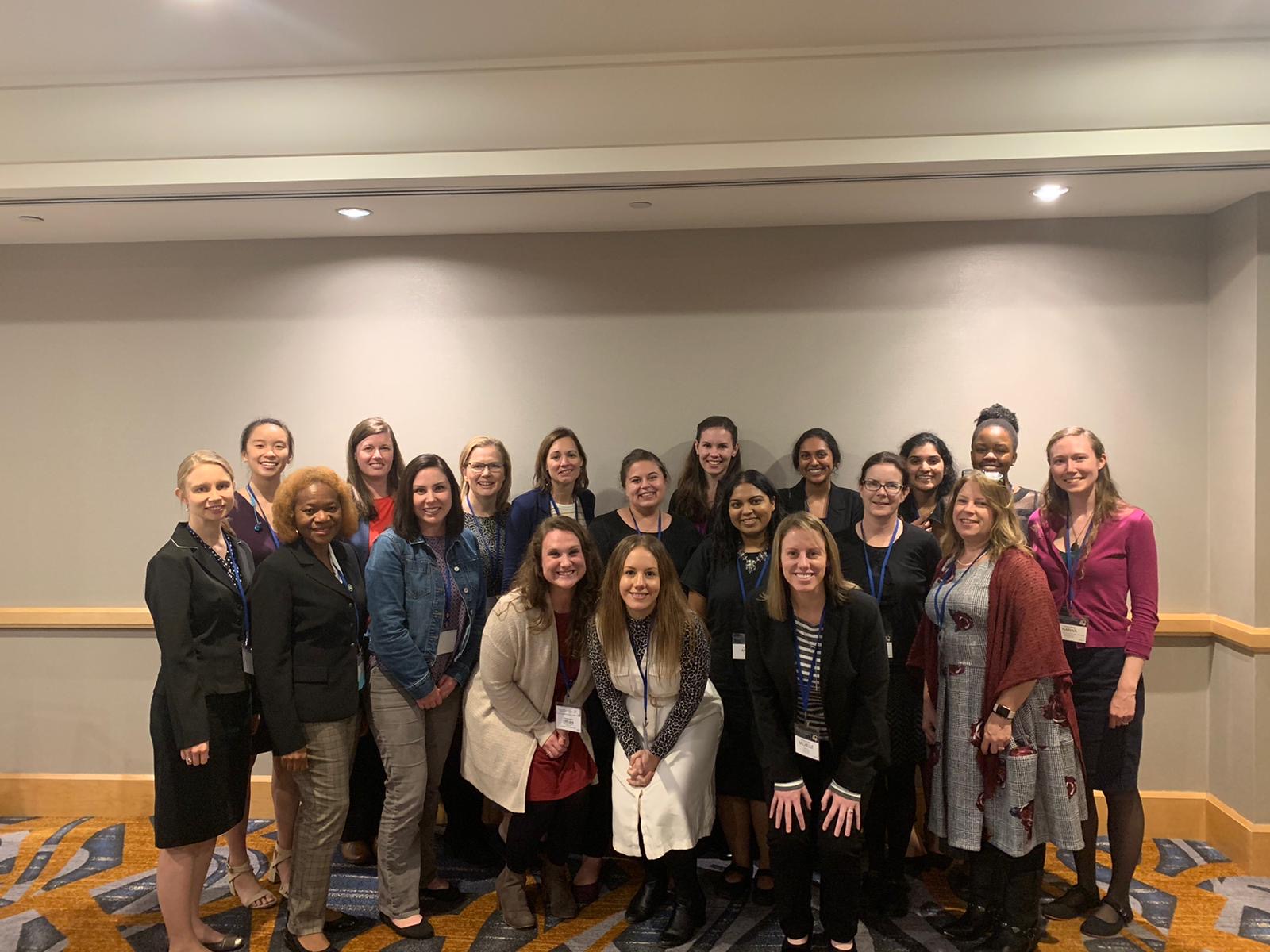
Engagement Opportunities and Resources
The Global Health PRN has multiple opportunities for resident involvement, including webinar programming, member engagement, and scholarship. Students and residents have actively driven the PRN’s social media presence and helped with the PRN’s biannual newsletter. However, the PRN also actively promotes international medical and academic opportunities for students and residents, including short-term medical mission trips, webinars, and journal clubs. The PRN also provides an updated online directory of global health opportunities for postgraduate pharmacy training, which can be found at https://goo.gl/t8svER. There are currently 28 postgraduate training opportunities listed in the PGY1, PGY2, and/or fellowship training years.
Current Clinical Issues
In 2019, global health headlines are still dominated by the burden of communicable diseases such as HIV, TB, influenza, Ebola, and other “high-threat pathogens.”1 However, noncommunicable diseases such as heart disease, stroke, cancer, respiratory disease, and diabetes remain the leading cause of global mortality.2 Identifying these changing health care needs in low- to middle-income countries has allowed pharmacy practice and education to shift the focus from medication supply management and communicable disease control to noncommunicable disease prevention and treatment. As more research is conducted and evidence collected, such as which antihypertensives are best in Black Africans, pharmacists are positioned at the forefront of improving patient outcomes in noncommunicable diseases.3 Projects such as “Bridging Income Generation with Group Integrated Care” (BIGPIC) highlight how pharmacists can be integrated within systems that address nonmedical community needs with disease prevention and education.4,5
Prepared by David Hachey
References:
- World Health Organization (WHO). Ten Threats to Global Health in 2019. Available at https://www.who.int/emergencies/ten-threats-to-global-health-in-2019. Accessed November 20, 2019.
- World Health Organization (WHO). Global Health Observatory Data on Noncommunicable Diseases. Available at https://www.who.int/gho/ncd/en/. Accessed November 20, 2019.
- Ojji DB, Mayosi B, Francis V, et al. Comparison of dual therapies for lowering blood pressure in Black Africans. N Engl J Med 2019;380:2429-39.
- Global Alliance for Chronic Diseases (GACD), an Alliance of Health Research Funders. Bridging Income Generation with Group Integrated Care (BIGPIC). Available at https://www.gacd.org/research-projects/diabetes/dm15. Accessed November 20, 2019.
- Vedanthan R, Kamano JH, Lee H, et al. Bridging income generation with group integrated care for cardiovascular risk reduction: rationale and design of the BIGPIC study. Am Heart J 2017;188:175-85.